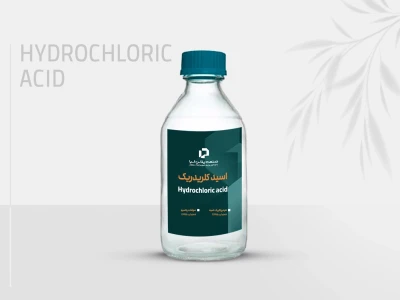
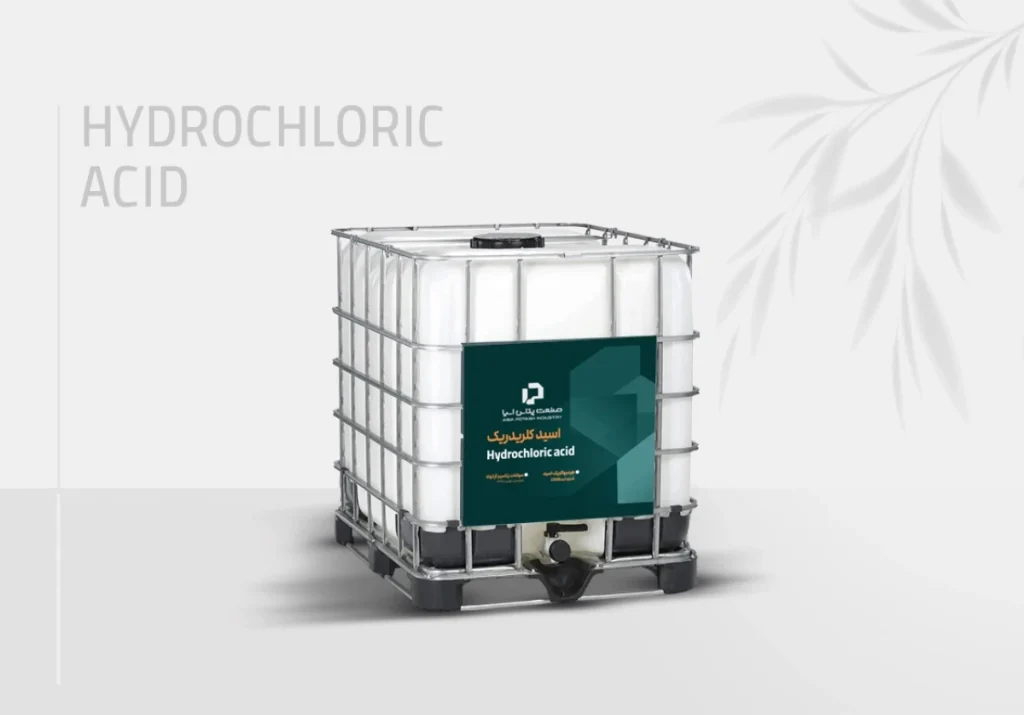

Hydrochloric Acid Asia Potash Industry Comparison Table with ISIRI-209 Standard
|
Iran National Standard-209 |
Grade B |
Grade A |
Unit |
Specification |
|
HCl |
HCl |
HCl |
– |
Formula |
|
Colorless, clear, free of precipitate and suspended particles |
Yellowish, clear |
Colorless, clear, free of precipitate and suspended particles |
– |
Appearance |
|
Free |
– |
7.45 |
NTU |
Clarity |
|
Minimum 30% |
33% |
30–31% |
% |
Hydrochloric Acid Concentration |
|
Minimum 1.15 |
1.19 |
1.1536 |
g/ml |
Density (at 20°C) |
|
Free |
Free |
Free |
ppm |
Fluoride |
|
Max 3 |
2.2 |
1.7 |
ppm |
Ammonium Compounds (as NH4) |
|
Max 50 |
<50 |
<2 |
ppm |
Sulfites (as SO3) |
|
Max 20 |
71 |
61.46 |
ppm |
Free Chlorine & Bromine (as Cl) |
|
Max 100 |
15000–30000 |
100–600 |
ppm |
Sulfates (as SO4) |
|
Free |
8 |
7.5 |
ppm |
Silica |
|
Max 2 |
<1 |
<1 |
ppm |
Heavy Metals (as Lead) |
|
Max 1 |
<0.2 |
<0.2 |
ppm |
Lead |
|
Max 1 |
<0.02 |
<0.02 |
ppm |
Copper |
|
Max 1 |
<0.008 |
<0.008 |
ppm |
Mercury |
|
Max 5 |
1.32 |
1.32 |
ppm |
Iron |
|
Max 1 |
<0.02 |
<0.02 |
ppm |
Arsenic |
Comprehensive Information about Hydrochloric Acid
Hydrochloric Acid (HCl) is a strong inorganic acid formed by dissolving hydrogen chloride gas in water. Due to its high acidity and corrosive nature, it is one of the most widely used chemical compounds in various industries.
Applications of Hydrochloric Acid
Hydrochloric Acid is one of the most widely used industrial chemicals due to its strong acidic properties.
Agricultural Industry
-
Production of fertilizers such as ammonium chloride and triple superphosphate
-
Production of mineral supplements for livestock and poultry
Chemical Industry and Inorganic Compounds
-
Production of polyaluminium chloride (PAC) for water and wastewater treatment
-
Production of metal chlorides such as calcium chloride, magnesium chloride, and iron chloride
-
Synthesis of chemicals used in pharmaceuticals and cosmetics
-
Production of phosphoric acid and dicalcium phosphate for food and agriculture industries
Metal and Metallurgical Industries
-
Steel pickling to remove rust and surface impurities
-
Use in oil and gas well drilling to improve extraction efficiency
-
Metal processing and recycling for high-purity metal production
Food and Pharmaceutical Industries
-
pH regulation in food production processes
-
Production of gelatin and other food additives
-
Use in manufacturing certain drugs and mineral supplements
Storage and Transportation Conditions
Due to the corrosive and highly reactive nature of hydrochloric acid, proper storage and transportation must follow strict safety standards.
-
Storage in resistant containers: Must be stored in polyethylene tanks or acid-resistant glass containers.
-
Storage environment: Keep in a dry, cool, and well-ventilated area away from direct sunlight.
-
Avoid incompatible materials: Hydrochloric Acid should not be stored near alkalis, active metals, or strong oxidizing agents.
-
Transportation standards: Must be transported according to international chemical safety regulations.
Technical Files and MSDS Documents for Hydrochloric Acid
For product safety and quality assurance, the following files are available for download:
Download the technical datasheet using the button below.
Download the safety datasheet using the button below.
Industrial Hydrochloric Acid 30% – Free Consultation and Direct Supply
If you are looking to purchase high-quality industrial Hydrochloric Acid at a competitive price, we provide guaranteed and standardized products tailored to your needs.
-
Free consultation: Our experts help you choose the most suitable product for your application.
-
Guaranteed product authenticity: All products are manufactured according to international standards.
-
Laboratory testing: Products are tested before delivery to ensure compliance with standards.
-
After-sales service: We provide full support to ensure a reliable purchase experience.
For price inquiries and free consultation on industrial Hydrochloric Acid, contact us!
Hazards and Safety
Hydrochloric Acid is highly corrosive and produces toxic fumes. It must be handled with strict safety precautions.
-
Corrosive and toxic: Causes severe burns to skin and mucous membranes.
-
Toxic vapors: Inhalation can severely irritate the respiratory system.
-
Reaction with metals: Hydrochloric Acid reacts with active metals such as iron, zinc, magnesium, aluminum, sodium, and potassium, producing flammable hydrogen gas (H₂). The reaction with sodium and potassium is highly exothermic. Metals like copper, silver, and gold are mostly unreactive, while steel is partially resistant but may corrode over time. Due to the risk of hydrogen gas ignition or explosion, storage near open flames or sparks must be avoided.
-
Environmental hazards: Leakage may contaminate soil and water.
First Aid Measures
Inhalation
-
Move the person to fresh air.
-
Provide artificial respiration if necessary.
-
Keep the person warm and seek immediate medical attention.
Ingestion
-
Do not induce vomiting.
-
Drink plenty of water and seek medical help immediately.
Skin Contact
-
Wash affected area thoroughly with soap and water.
-
Seek medical attention due to possible severe burns.
Eye Contact
-
Rinse eyes thoroughly with water for several minutes.
-
Seek immediate medical attention to prevent eye damage.
Asia Potash Industry; Industrial Hydrochloric Acid Production Plant
Asia Potash Industry, as one of the leading producers of industrial Hydrochloric Acid, has established a strong position in domestic and international markets. Through cooperation with major companies such as Mobarakeh Steel Company, Gilan Steel Industries, Haft Almas Industries, Golestan Iodine Brine Company, and Man Chemical Company, it plays an important role in the development of the chemical industry and supplies high-quality products with strong commitment to service excellence.
Comments (0)
Be the first to comment!