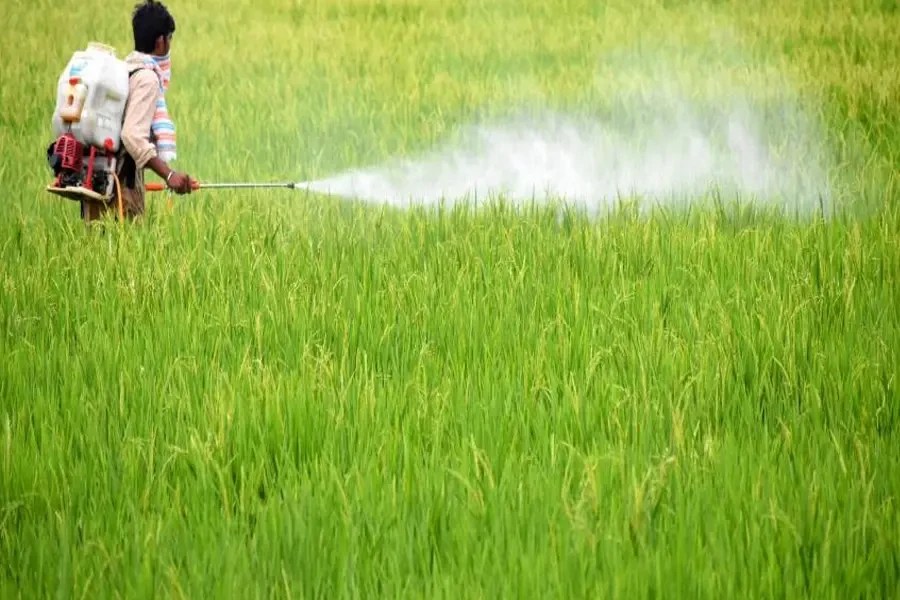
The adverse effects of over-fertilizing plants are one of the most common problems in plant care, which can easily disrupt the health of roots, leaves, and even flowering. Contrary to the common belief that “the more fertilizer, the better growth,” the reality is that excessive feeding not only provides no benefit but can also lead to salt accumulation in the soil, toxicity in the root environment, and reduced plant resistance to pests and diseases.
In this article, we examine the signs of over-fertilization in plants and the solutions to prevent damage caused by excessive fertilizer use.
Symptoms of incorrect or excessive use of chemical fertilizers
If you observe the following symptoms in your plants, it is likely that improper or excessive fertilization is the cause of these issues:
-
White layer on the soil surface: Salt residues from excessive fertilizer use appear as white deposits on the soil surface.
-
Leaf tip burn: The appearance of brown coloration at the tips or edges of leaves is one of the clear signs of soil salinity or overfeeding.
-
Yellowing and curling of leaves: Plants under stress from incorrect fertilization often show yellow, wilted, or curled leaves.
-
Deformed and abnormal leaves: Changes in leaf shape may indicate an imbalance in nutrient elements.
-
Leaf, flower, or fruit drop: This may be a direct result of root damage or excessive uptake of certain nutrients.
-
Root rot: Roots that turn brown or black and become soft or decayed are usually damaged due to salinity or excessive salt accumulation.
-
Poor growth despite proper care: If the plant does not grow despite adequate watering and sufficient light, the problem is likely due to incorrect fertilization.
-
Abnormal stem growth: Excessive, elongated, and thin stems indicate nutrient imbalance.
-
Reduced flowering: Plants that receive excessive fertilizer usually allocate their energy to vegetative growth, resulting in poor flowering.
To prevent nutritional problems, fertilization should be carried out based on the actual needs of the plant, soil type, and the level of nutrients present in it. Using standard fertilizers with balanced formulations, along with soil testing before fertilization, helps determine the exact required amount. Also, proper dosage and correct timing play an important role in maintaining plant health and vitality.
What is high-potassium fertilizer?
Why is excessive fertilizer use dangerous for plants?
Incorrect or excessive use of fertilizers is one of the most common causes of problems in houseplants and landscape plants. Contrary to the common belief that “more fertilizer means better growth,” overfeeding can damage plant health.
In fact, three major negative effects occur due to excessive fertilization:
-
Roots are unable to properly absorb water.
-
The soil becomes toxic.
-
Plant susceptibility to diseases and pests increases.
Salts present in chemical fertilizers can prevent water absorption by roots. As a result, the plant suffers from dehydration, which usually first appears in the leaves.
In addition, excessive accumulation of nutrients can disrupt the activity of essential plant enzymes and interfere with its natural biological processes. A plant under nutritional stress is more vulnerable to pest and disease attacks.
Common causes of excessive fertilizer use
-
Gradual accumulation of leftover fertilizers from previous feedings
-
Unintentional overuse of slow-release fertilizers beyond required amounts
-
Poor soil drainage preventing salt leaching
-
Improper feeding conditions such as extreme dryness or plant dormancy
-
Continuing fertilization even after plant growth has stopped
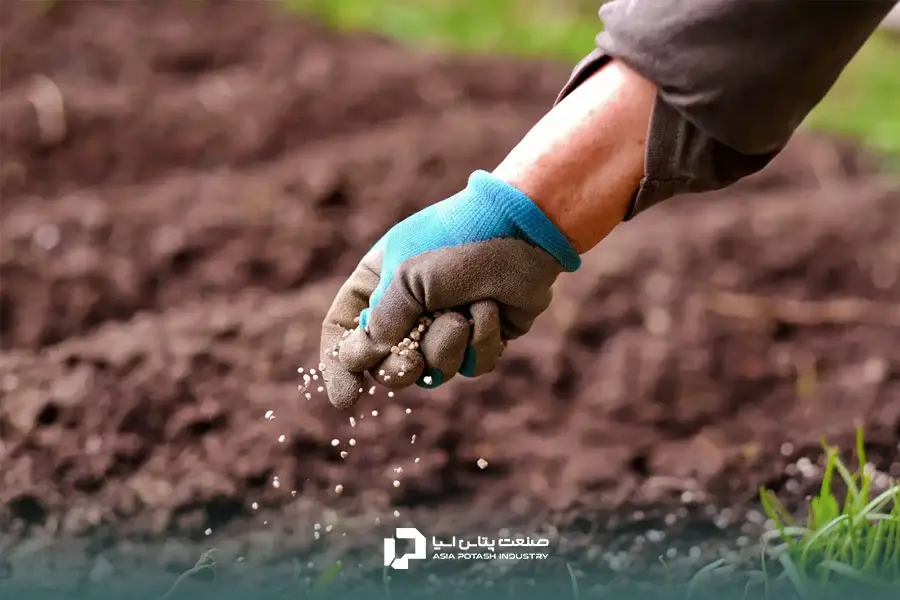
Review of symptoms of over-fertilization in plants
Depending on the plant type and environmental conditions, the following symptoms may appear. Note that some signs are similar to other problems such as underwatering, low light, or pests; therefore, a complete assessment of plant conditions is essential.
1. White or yellow layer on soil surface
The formation of salt deposits is a clear sign of overfeeding. If left untreated, these salts can make the soil toxic. Removing the surface layer and thoroughly watering the soil can help flush it out. If drainage is poor, replacing the soil or pot is recommended.
2. Leaf tip and edge burn
Brown coloration on leaf edges, especially in long leaves, is an early sign of excessive fertilizer use. This damage is not easily reversible, but soil flushing can prevent further harm.
3. Yellowing or wilting leaves
Loss of moisture due to salt accumulation can cause lower leaves to turn yellow or the entire plant to wilt. First confirm that fertilizer is the cause, then flush the soil.
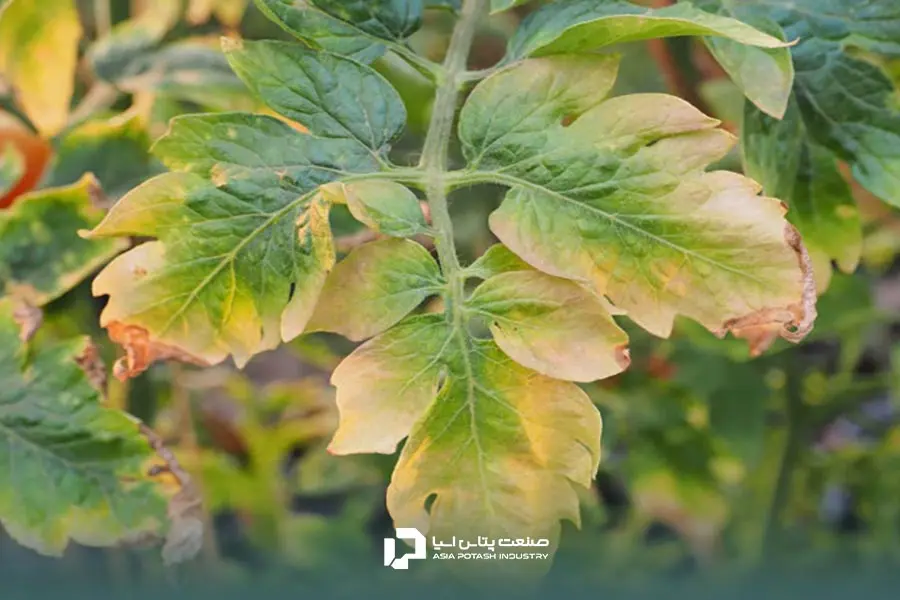
4. Deformed or curled leaves
Excess nitrogen or nutrient imbalance can cause leaf deformation; therefore, curled leaves are one of the symptoms of over-fertilized plants. If detected early, reducing fertilizer and flushing the soil may save the plant.
5. Dark and rotting roots
Root rot is one of the most severe consequences of over-fertilization. To check, remove the plant from the pot and inspect the roots. Black, soft, and foul-smelling roots indicate rot. In this case, removing infected roots and disinfecting the soil with hydrogen peroxide is recommended.
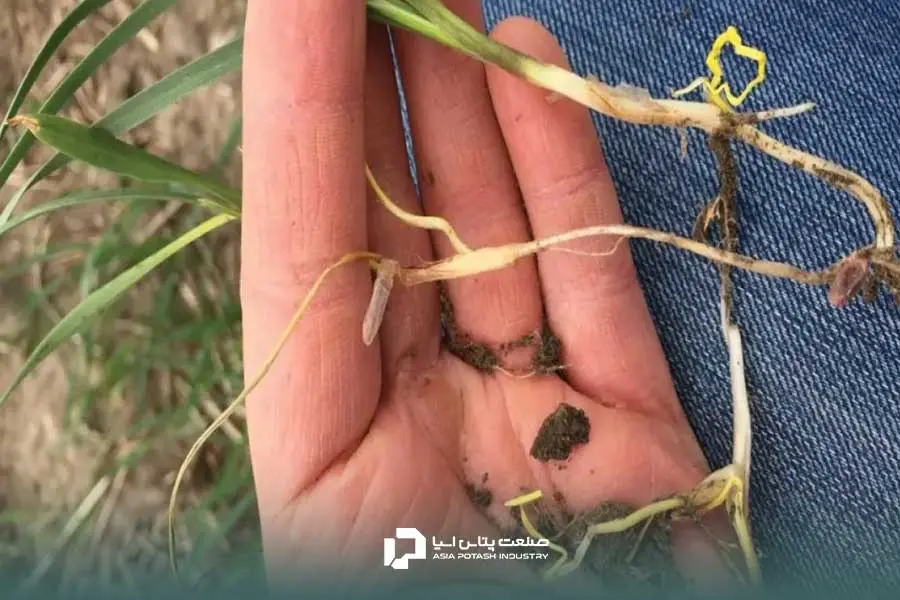
6. Leaf, flower, or fruit drop
Excessive feeding can cause shock and shedding of plant organs, especially if the plant is recovering from previous stress. In this case, stop fertilization and flush the soil.
7. Growth stagnation or slowdown
If a plant does not grow despite proper conditions, one possible reason is excessive fertilizer use. After checking other factors (light, temperature, watering), reduce or temporarily stop fertilization.
8. Weak, spindly growth
Excess nitrogen can cause plants to produce thin and weak stems, which are more vulnerable to damage and pests. Reducing fertilizer, providing adequate light, and pruning damaged shoots can restore balanced growth.
9. Reduced flowering or fruiting
Plants receiving excessive nitrogen allocate most of their energy to leaf and stem growth and fail to flower. In such cases, nutrient balance should be adjusted and flowering-specific fertilizers should be used.
Final solution to prevent the side effects of over-fertilization
If you are unsure whether your plant’s problem is due to excessive fertilizer use, flush the soil, temporarily stop fertilization, and allow the plant to recover under new conditions. To prevent such issues:
-
Use high-quality fertilizers with balanced formulations.
-
Always follow the application instructions precisely.
-
Check the plant’s status after each fertilization.
Note: Less fertilizer is always better than too much!
Maintaining plant health with standard fertilizer
If you are facing symptoms such as yellowing leaves, growth stagnation, or leaf/fruit drop in your plants, it is time to pay attention to the quality and balance of your fertilizer. Potassium Sulfate fertilizer of Asia Potash Industry, with a balanced formulation, high purity, and free from harmful salts, is a smart choice for maintaining soil health and sustainable plant growth.
Asia Potash Industry, the largest potassium sulfate producer in Iran, offers Products that meet global standards, ensuring safe plant nutrition for farmers and producers.
By choosing Asia Potash Industry Products now, take a meaningful step toward improving the productivity of your agricultural land.

Conclusion
The side effects of over-fertilizing plants are not limited to leaf appearance or reduced flowering; in the long term, they can degrade the soil and permanently weaken the plant. To prevent this, using high-quality fertilizers with balanced formulations and appropriate to the plant’s actual needs is essential.
In this article, we reviewed the signs of over-fertilization in plants. By following this guide, you can prevent unwanted side effects of excessive fertilizer use and achieve healthier, higher-quality plants.
Comments (0)
Be the first to comment!