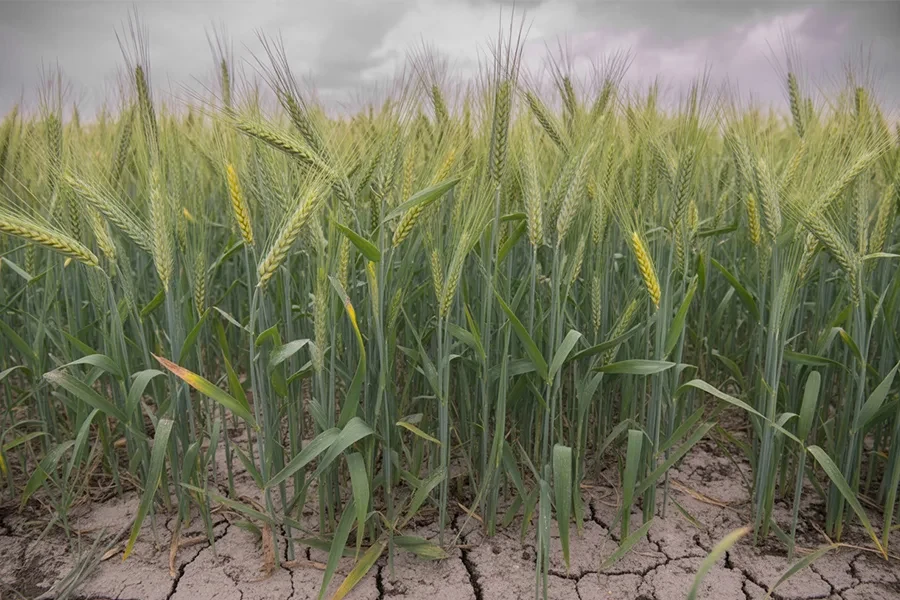
Wheat is one of the main agricultural products and a primary food source for humans, playing a vital role in various industries. A deficiency of nutrients in wheat can lead to reduced yield, poor grain quality, and ultimately lower production.
Recognizing the symptoms of nutrient deficiencies and their treatment methods can help farmers improve yield and product quality.
In this article from Asia Potash Industry, we review the symptoms of essential nutrient deficiencies in wheat and their treatment methods.
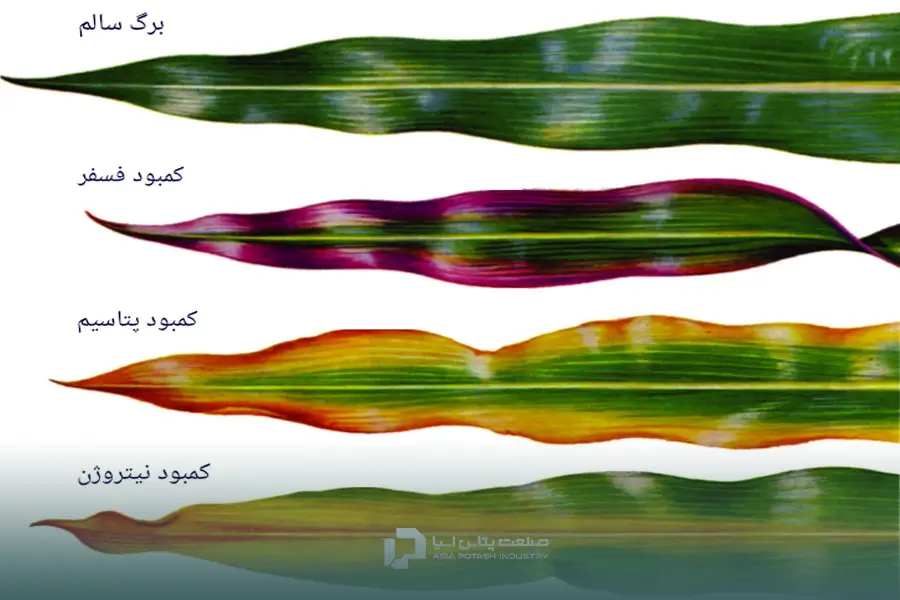
Causes of Nutrient Deficiency in Wheat
Nutrient deficiencies in wheat can occur for several reasons, including the following:
-
Soil nutrient deficiency: due to insufficient nutrient supply or leaching of nutrients from the soil
-
Unsuitable soil conditions: such as inappropriate temperature, imbalanced pH, drought, or waterlogging
-
Soil type and fertilizer choice: inappropriate soil composition and unsuitable fertilizer selection
Nutrient Mobility in Wheat
Plant nutrients are divided into two categories based on mobility:
Mobile nutrients: such as nitrogen, potassium, phosphorus, magnesium, and molybdenum, where deficiency symptoms first appear in older leaves.
Immobile nutrients: such as calcium, iron, copper, sulfur, boron, zinc, and manganese, where deficiency symptoms are more commonly seen in younger leaves.
Effects of Nutrients on Wheat Growth
Different nutrients play essential roles in wheat growth:
-
Nitrogen promotes rapid stem growth and increases protein content.
-
Phosphorus supports root development and grain formation.
-
Potassium: Potassium Sulfate can increase plant resistance to stress. Note that buying Potassium Sulfate from reliable manufacturers is important.
-
Magnesium is a component of chlorophyll and is involved in photosynthesis.
-
Calcium is essential for strengthening cell walls and root growth.
-
Sulfur is necessary for protein synthesis.
-
Iron plays a role in chlorophyll production and photosynthesis.
-
Zinc is essential for root growth and enzyme activity.
-
Copper is involved in enzymatic processes and photosynthesis.
-
Boron affects cell division and tissue formation.
Keep in mind that the deficiency of any of these elements can reduce wheat growth and productivity.
Symptoms and Treatment of Nutrient Deficiencies in Wheat
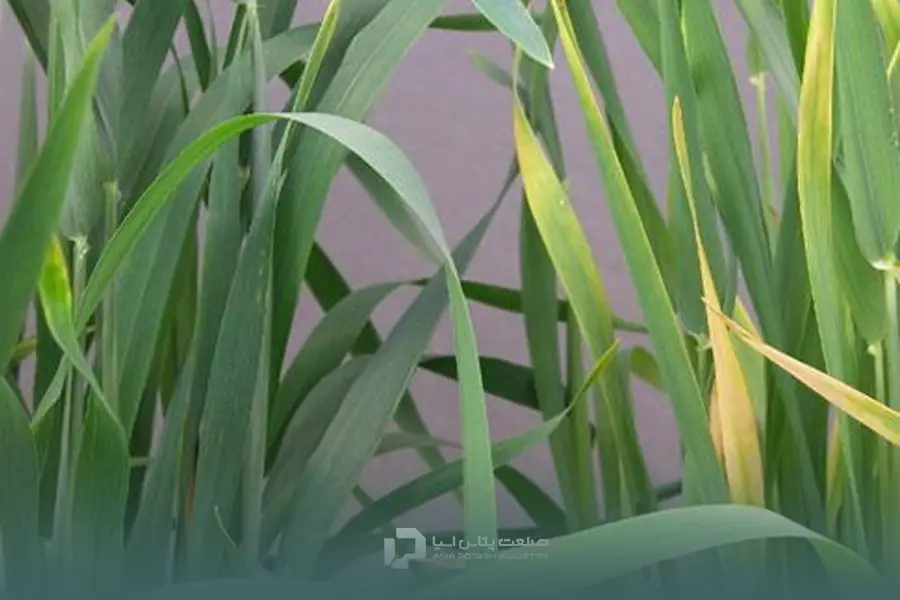
Nitrogen is vital for wheat because it plays a key role in protein synthesis, photosynthesis, faster growth, improved grain yield, and root system development. It helps the plant grow healthily and produce high-quality grains. Below are the symptoms of nitrogen deficiency in wheat.
Symptoms of Nitrogen Deficiency in Wheat
1. Yellowing of older leaves: Nitrogen deficiency first appears in older leaves. Yellowing starts from the leaf tip and gradually spreads across the entire leaf.
2. Slowed growth: The plant experiences reduced and stunted growth in early stages, with decreased stem and leaf development.
3. Narrow and small leaves: Leaves become smaller and thinner due to reduced nutrients and photosynthesis.
4. Light-colored stems: Stems become paler, indicating nitrogen deficiency.
5. Leaf drying: In severe deficiency, leaves dry out and gradually die.
6. Reduced germination: Nitrogen deficiency can reduce seed germination rates and future plant performance.
7. Lower protein and grain weight: Since nitrogen is essential for protein synthesis, its deficiency reduces grain protein content and weight.
Treatment of Nitrogen Deficiency in Wheat
1. Use of nitrogen fertilizers: Nitrogen-containing fertilizers such as NPK fertilizers or top-dress nitrogen fertilizers can be used to quickly supply nitrogen during growth stages.
2. Irrigation management: Proper irrigation helps improve nitrogen uptake by the plant.
3. Maintaining suitable soil pH: Adjusting soil pH improves nitrogen absorption.
4. Use of organic fertilizers: Organic fertilizers such as manure provide gradual nitrogen release and improve long-term soil fertility.
2. Phosphorus Deficiency
Phosphorus is essential for wheat because it is involved in energy production (ATP), root growth and development, photosynthesis, and cell division. It strengthens the root system and improves grain quality and yield.
Phosphorus promotes healthy plant growth and grain formation, while its deficiency reduces plant growth and productivity.
Symptoms of Phosphorus Deficiency in Wheat
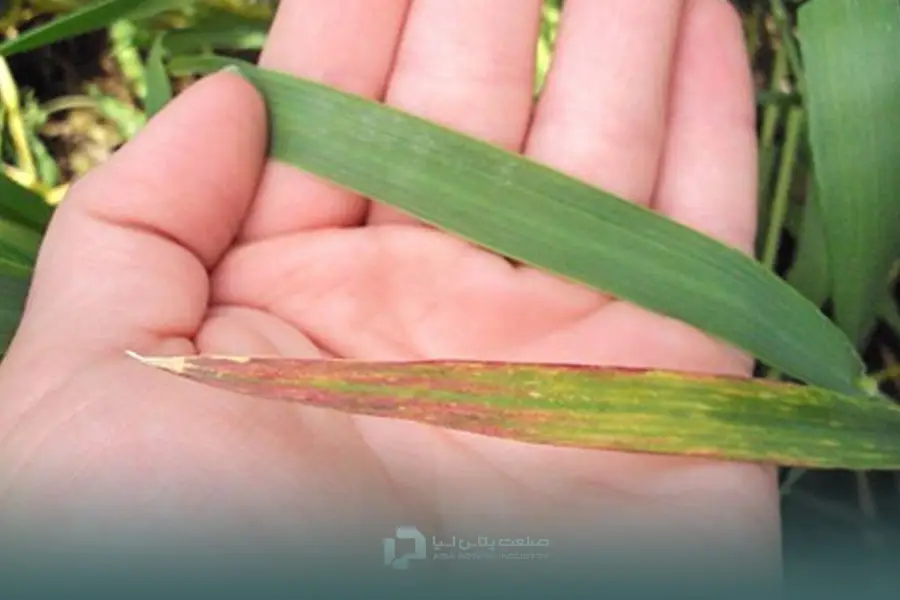
1. Leaf yellowing: Lower leaves usually turn yellow, which may spread upward.
2. Reduced growth: Wheat plants grow slowly and remain shorter than normal.
3. Smaller leaves: Leaves are often smaller than normal.
4. Purple or red coloration: In severe deficiency, leaves may turn purple or reddish.
5. Reduced grain number and yield: Phosphorus deficiency negatively affects grain quality and yield.
Treatment of Phosphorus Deficiency in Wheat
1. Application of phosphate fertilizers: Fertilizers such as superphosphate, DAP (Diammonium Phosphate), and triple superphosphate help supply phosphorus.
2. Proper fertilization timing: The best time for phosphorus application is at planting or early growth stages.
3. Soil improvement: In alkaline soils, phosphorus availability decreases; organic matter and mild acids can improve its availability.
Note: The amount of phosphorus should match soil conditions and plant needs.
Potassium Deficiency
Potassium regulates water balance, improves stress resistance, and enhances grain yield. Its deficiency leads to poor growth and reduced crop quality.
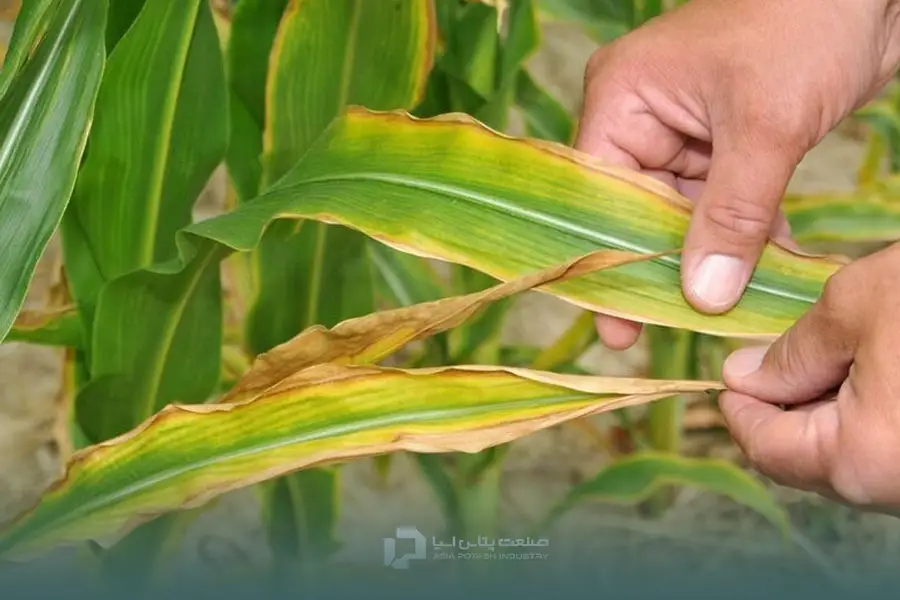
Symptoms of potassium deficiency in wheat include:
1. Leaf tip burn and yellowing: Yellowing starts at leaf tips and margins.
2. Reduced growth: Plants grow slowly with weak stems.
3. Weak stems: Plants become unstable and may bend or break.
4. Lower grain yield: Grain size and quality decrease.
5. Reduced stress and disease resistance: Plants become more vulnerable to drought, cold, salinity, fungi, bacteria, and viruses.
Treatment of Potassium Deficiency in Wheat
To treat potassium deficiency, potassium fertilizers such as Potassium Sulfate or Potassium Chloride are recommended.
Magnesium is also essential for optimal wheat growth and grain yield.
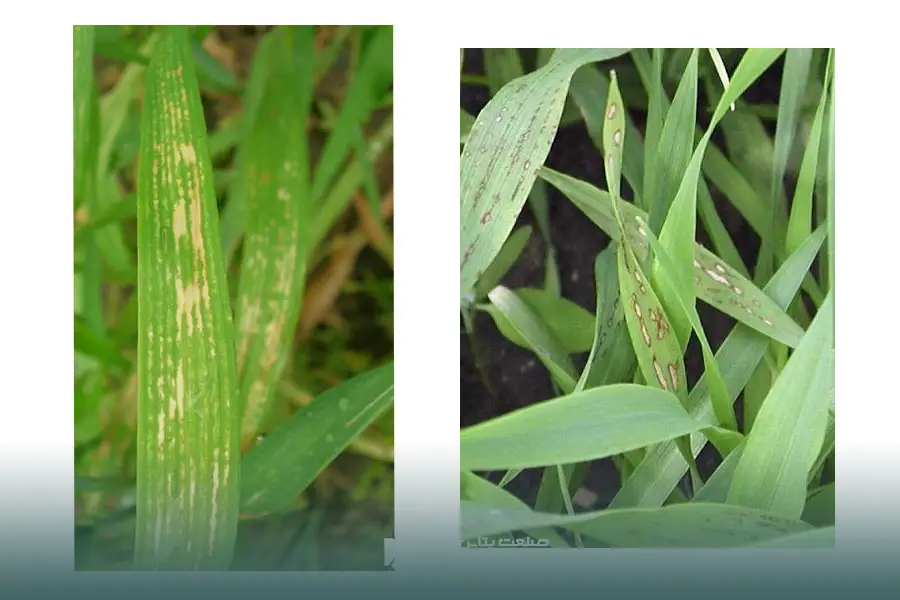
Symptoms of Magnesium Deficiency in Wheat
Symptoms include:
1. Leaf chlorosis: Yellowing begins in lower leaves due to reduced chlorophyll production.
2. Small grains and low yield: Grain size and yield decrease.
3. Weak plant growth: Plants become fragile and weak.
4. Leaf edge burn: Margins of leaves may turn brown.
Treatment of Magnesium Deficiency in Wheat
Magnesium deficiency can be treated using fertilizers such as magnesium sulfate or calcium magnesium fertilizers.
Sulfur plays a vital role in protein and enzyme synthesis, amino acid production, and plant metabolism. It also enhances plant resistance to diseases and environmental stress.
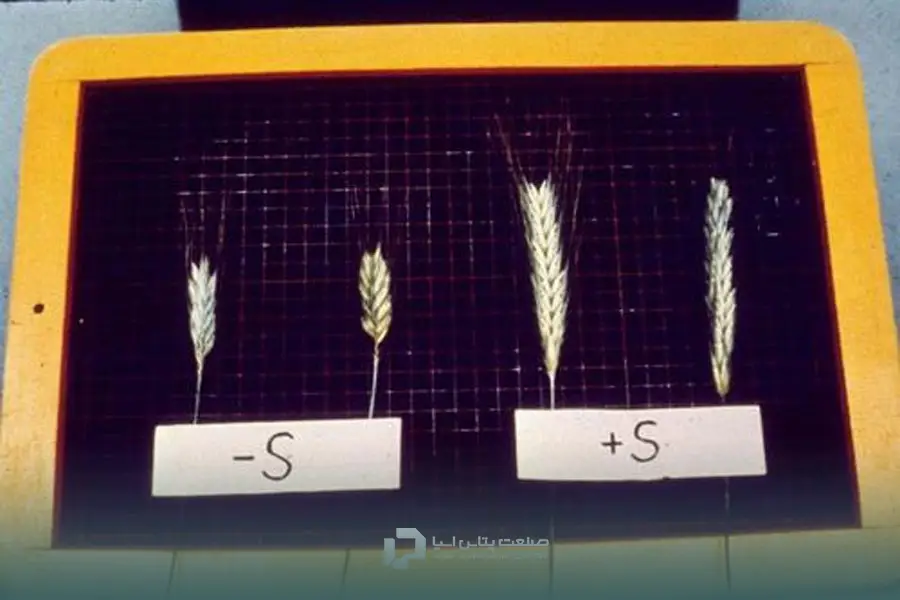
Symptoms of sulfur deficiency in wheat:
1. Yellowing of leaves: Lower leaves turn yellow first, similar to nitrogen deficiency.
2. Weak growth: Plants grow slowly and weakly.
3. Reduced protein production: Grain quality decreases due to lower protein content.
4. Smaller and darker grains: Grain size decreases and color may darken.
Treatment of sulfur deficiency in wheat
Sulfur deficiency can be treated using sulfate fertilizers such as ammonium sulfate, Potassium Sulfate, or elemental sulfur fertilizers. Organic matter also helps supply sulfur to the soil.
Iron Deficiency
Iron is essential for chlorophyll formation and photosynthesis. It also supports healthy plant growth and grain production.
Symptoms include:
1. Leaf yellowing: Especially in young leaves (iron chlorosis).
2. Slow growth: Plants grow more slowly.
3. Weak and dry leaves: Leaves become brittle and dry.
4. Reduced yield: Grain quality and yield decline.
Treatment of iron deficiency
Iron deficiency is usually treated using iron fertilizers such as iron sulfate or chelated iron forms.
Manganese Deficiency
Manganese acts as a catalyst in many biochemical reactions and supports photosynthesis and chlorophyll production, improving plant energy capture and growth.
It also contributes to protein synthesis and plant disease resistance.
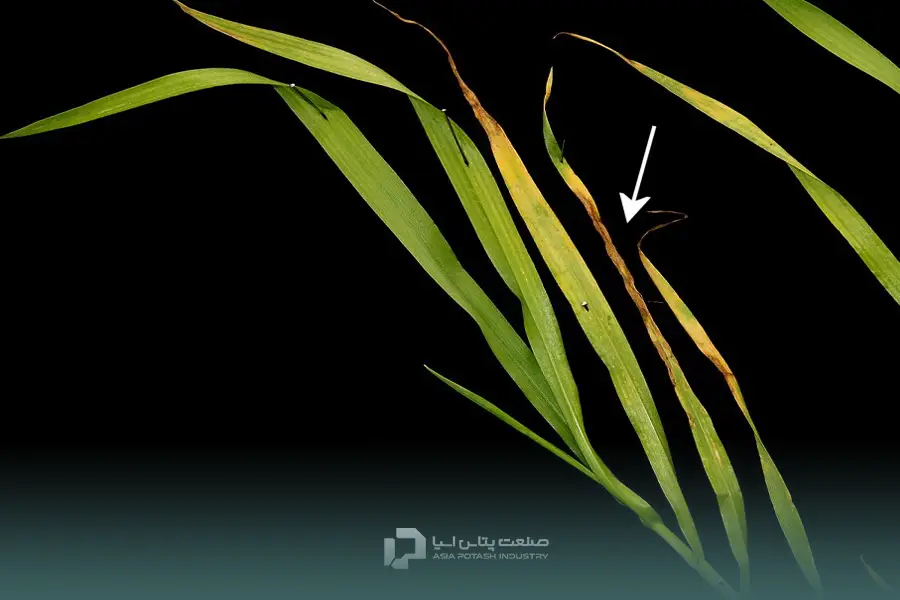
Symptoms of manganese deficiency:
1. Yellowing of young leaves (interveinal chlorosis).
2. Green veins remain while interveinal areas turn yellow.
3. Reduced growth and delayed development.
4. Leaf deformation and smaller leaves.
5. Reduced grain yield and quality.
Treatment of manganese deficiency
Manganese deficiency is usually corrected using manganese fertilizers such as manganese sulfate.
Zinc Deficiency
Zinc is essential for enzyme formation, cell division, and grain production. Its deficiency reduces growth, grain number, and stress resistance.
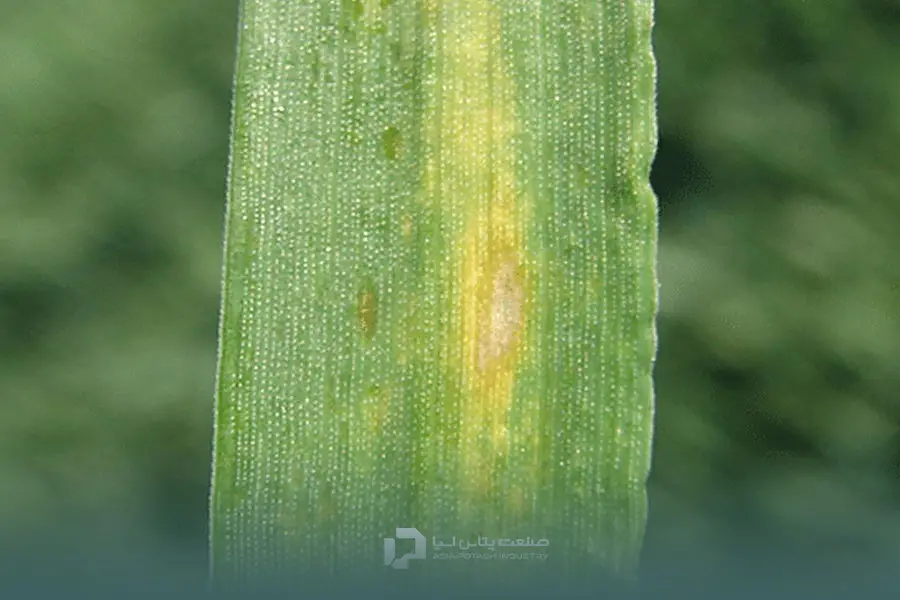
Symptoms include:
1. Reduced plant growth and smaller leaves.
2. Yellowing of lower leaves while veins remain green.
3. Reduced grain formation and smaller grains.
4. Poor flowering and reduced yield.
Treatment of zinc deficiency
Zinc deficiency is usually treated with zinc fertilizers such as zinc sulfate.
Boron Deficiency
Boron is involved in cell division, root growth, and grain formation. Its deficiency can disrupt flowering and reduce yield.
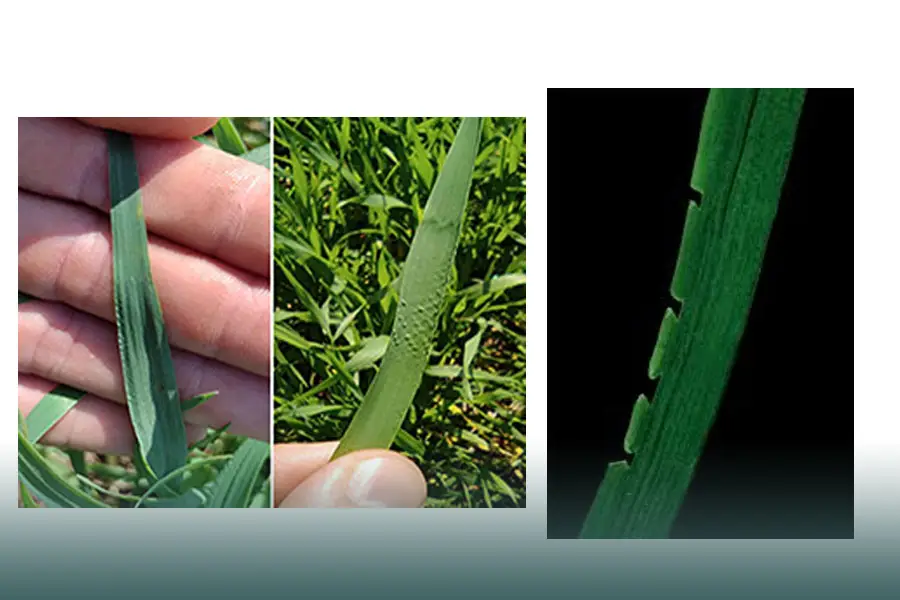
Symptoms of boron deficiency:
1. Flower necrosis and shedding.
2. Yellowing of leaves starting from lower leaves upward.
3. Damage to leaf tips and margins.
4. Reduced root growth.
5. Disruption of cell division in active growth regions.
Treatment of boron deficiency
Boron deficiency is commonly treated using boron fertilizers such as boric acid.
Molybdenum Deficiency
Molybdenum plays an important role in enzymatic processes, especially nitrogen metabolism. It helps convert nitrogen into usable forms for protein synthesis and growth.
Symptoms include:
1. Yellowing of lower leaves spreading upward.
2. Reduced plant growth and stunting.
3. Lower grain yield and quality.
4. Disruption in nitrogen metabolism.
Treatment of molybdenum deficiency
Molybdenum deficiency can be treated using fertilizers such as ammonium molybdate.
Copper Deficiency
Copper improves photosynthesis efficiency, strengthens plant immunity, and supports root growth and nutrient uptake.
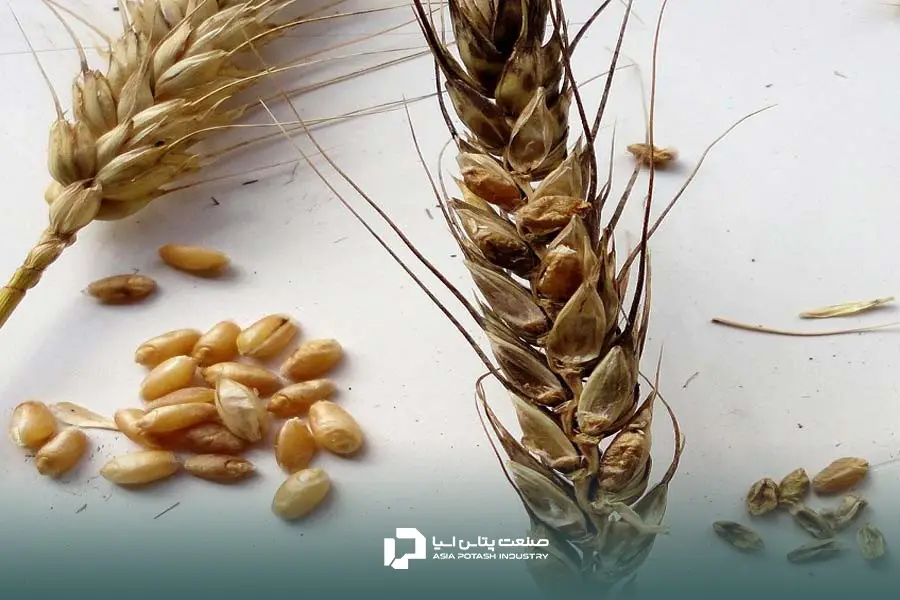
Symptoms include:
-
Yellowing of young leaves
-
Reduced root growth
-
Leaf spotting and drying
-
Reduced photosynthesis
-
Overall weak plant growth
Treatment of copper deficiency
-
Adding copper sulfate to the soil
-
Using copper-containing fertilizers
-
Foliar spraying if urgent
-
Adjusting soil pH to improve copper availability
Healthy and Vigorous Wheat with Asia Potash Industry
As explained in this article, wheat cultivation depends on several factors, and using proper fertilizers and nutrients helps produce high-quality wheat. We recommend using Asia Potash Industry products. With these fertilizers, you can achieve better yield and quality in wheat production.
Final Remarks: Improving Wheat Quality by Solving Nutritional Problems!
Proper supply and management of nutrients in wheat is one of the key factors in improving yield and quality. Farmers should identify deficiency symptoms and use appropriate fertilizers to correct nutritional imbalances and maximize wheat production.
In addition, attention to environmental factors such as soil pH, moisture, and temperature, along with proper fertilization programs, can improve plant health and increase productivity.
Comments (0)
Be the first to comment!