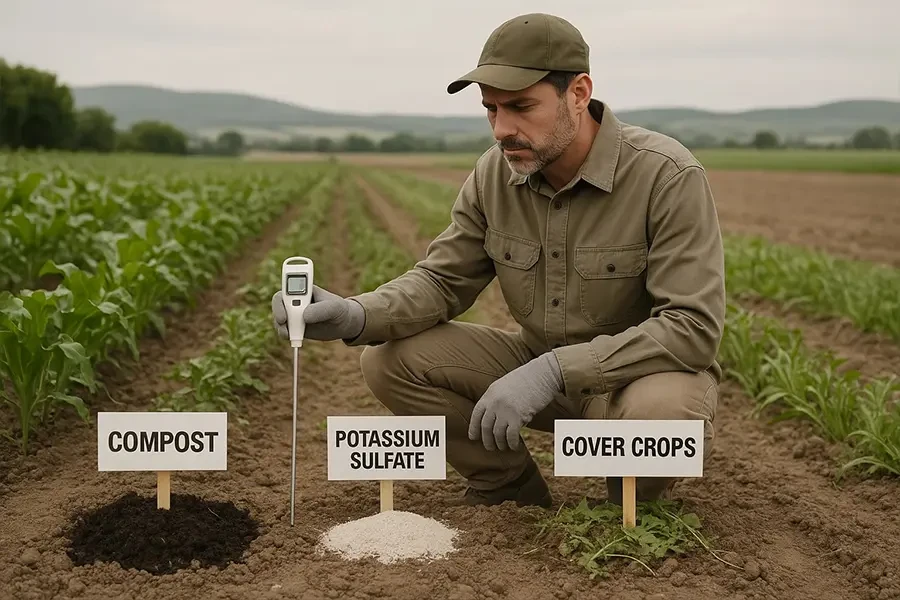
The use of various agricultural fertilizers is one of the most important factors that helps increase the productivity of agricultural products and maintain soil health. Different types of agricultural soil fertilizers are important for improving soil structure, retaining moisture, and of course providing plant nutrition.
In this article, we will examine the three main types of agricultural fertilizers—organic, chemical, and biological fertilizers—and their compositions and applications.
Introduction to Agricultural Fertilizers
An agricultural fertilizer is a substance used to supply the nutrients necessary for plant growth.
Although plants are naturally able to obtain nutrients from the soil, these nutrients gradually decrease over time due to continuous harvesting of agricultural products. In addition, the soil used for cultivation may not contain all the nutrients required by the plant. This is where the use of different types of agricultural fertilizers can help increase productivity and compensate for deficiencies.
Using various agricultural fertilizers not only increases crop yield and provides plant nutrients but can also improve soil health.
In addition, some types of agricultural fertilizers increase plant resistance to diseases, pests, and unfavorable environmental conditions such as drought or soil salinity.
Main Elements Found in Agricultural Fertilizers
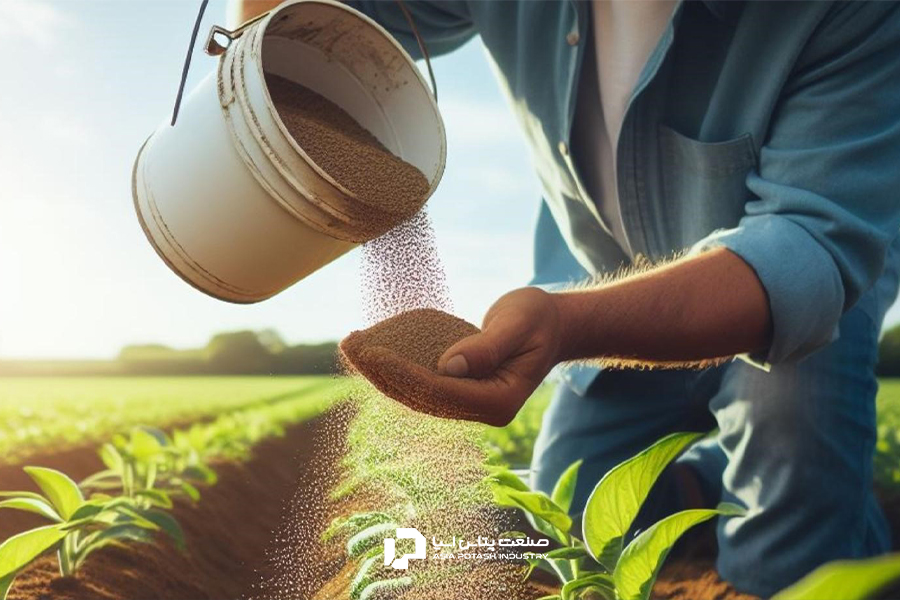
Plants require several essential elements for growth, the most important of which include:
-
Nitrogen (N): A key element for the growth and development of leaves and stems. Nitrogen plays a role in photosynthesis and protein production.
-
Phosphorus (P): Phosphorus is essential for root development and increases the plant’s ability to absorb water and nutrients from the soil. It also plays a major role in fruit formation and flowering.
-
Potassium (K): Potassium helps plants resist diseases, drought, and other environmental stresses. It also improves the quality of fruits and seeds.
What Are the Types of Agricultural Fertilizers?
Fertilizers are divided into three main categories:
Organic Fertilizers
Organic fertilizers are produced from natural sources such as plant materials, animal matter, and remains of living organisms.
These fertilizers decompose naturally and return nutrients to the soil. Due to their gradual decomposition, organic fertilizers help improve soil quality and agricultural productivity in the long term.
They also strengthen soil structure and reduce erosion.
Types of Organic Fertilizers
Organic fertilizers are among the types of agricultural soil fertilizers that, due to their natural origin, are suitable options for improving soil fertility. The main types include:
-
Animal manure: Animal manure contains nutrients such as nitrogen, phosphorus, and potassium. It decomposes slowly and gradually releases essential elements.
Animal manure, in addition to N, P, and K, contains trace elements that help maintain soil nutrient balance.
It improves soil structure, increases water retention capacity, and enhances soil aeration. However, excessive use may lead to the accumulation of nitrates and phosphorus, causing environmental issues.
-
Compost: This type of agricultural fertilizer is a mixture of plant residues and fruits that becomes a nutrient-rich fertilizer through microbial decomposition. It contains a large amount of humus (decomposed organic matter) that improves the physical and chemical properties of the soil.
Compost contains nutrients required by plants and releases them gradually. However, its production process is time-consuming and requires proper management to prevent decay and unpleasant odors.
-
Green manure: This type of agricultural fertilizer is made from plant residues such as decomposed leaves and shredded wood and is rich in organic matter.
Green manure is produced by growing and then decomposing plants such as clover or beans, which are cultivated specifically to improve soil quality. These plants are grown in the soil and then returned to it.
Green manure increases soil nitrogen and improves soil structure. The drawback is that it requires more time and land for cultivation.
Chemical Fertilizers
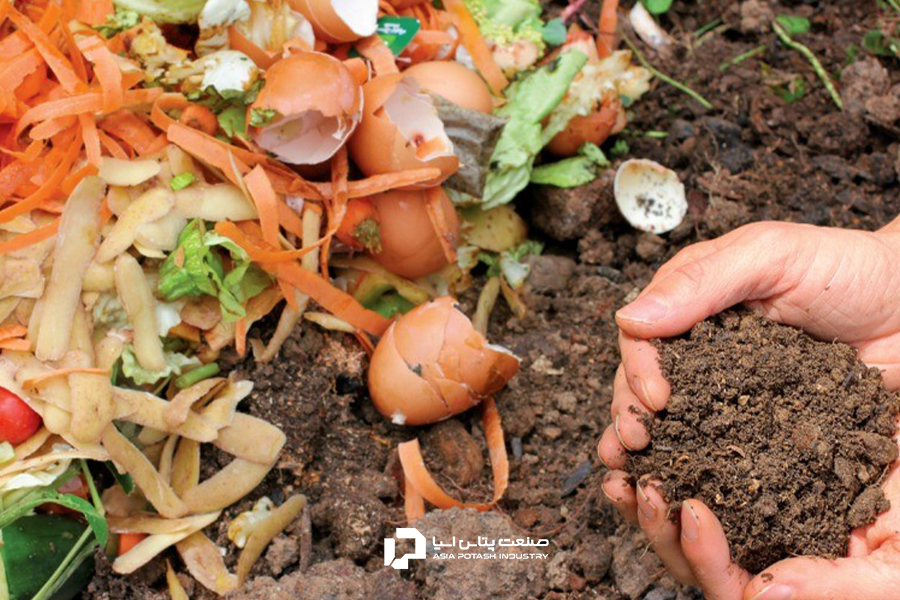
Chemical fertilizers are synthetically produced and usually consist of mineral elements such as nitrogen (N), phosphorus (P), and potassium (K), commonly referred to as NPK fertilizers.
Due to their pure composition and fast-acting nature, chemical fertilizers have an immediate effect on plant growth and crop production.
Types of Chemical Fertilizers
Chemical fertilizers are classified based on their main components:
Nitrogen Fertilizers
These fertilizers provide nitrogen, which is essential for leaf growth and chlorophyll production in plants. Nitrogen is one of the most important elements used in chemical fertilizers.
Types of nitrogen fertilizers:
-
Urea: The most common nitrogen fertilizer, containing about 46% nitrogen.
-
Ammonium nitrate: A powerful nitrogen source that is quickly absorbed by plants.
-
Ammonium sulfate: This fertilizer contains both nitrogen and sulfur and is beneficial for alkaline soils.
Phosphate Fertilizers
Phosphorus is essential for root development, seed and fruit formation, and increasing plant resistance to environmental stress. These fertilizers are typically used in soils deficient in phosphorus.
Types of phosphate fertilizers:
-
Single superphosphate: contains about 16–20% phosphorus.
-
Triple superphosphate: contains a higher amount of phosphorus (about 44–48%) and is a stronger fertilizer.
-
Ammonium phosphate fertilizer: a combination of nitrogen and phosphorus that helps plant growth.
Potassium Fertilizers
Potassium is important for increasing plant resistance to diseases, drought, cold, and improving fruit quality. These fertilizers are usually used in potassium-deficient soils or during the final growth stages of plants.
Types of potassium fertilizers:
Potassium Chloride: a common potassium fertilizer used in most agricultural lands.
Buy Potassium Sulfate: in addition to potassium, this fertilizer also contains sulfur and is highly beneficial for saline soils. For a more complete understanding of potassium fertilizers, we recommend reading the article What is Potassium Fertilizer? Types, Applications, Benefits.

Biological Fertilizers
Biological fertilizers consist of beneficial microorganisms such as bacteria, fungi, and algae that help improve soil quality and plant nutrition.
Biological fertilizers include:
-
Nitrogen-fixing bacteria: such as Rhizobium, which convert atmospheric nitrogen into a form usable by plants.
-
Mycorrhizal fungi: these fungi help plant roots absorb nutrients from the soil.
-
Algae: some biological fertilizers use algae and their nutrients to enrich the soil.
Microorganisms in biological fertilizers help restore soil nutrients and maintain ecological balance. They can also fix atmospheric nitrogen and make it available to plants.
These fertilizers also reduce the need for chemical fertilizers and minimize negative environmental impacts.
Applications of Agricultural Fertilizers
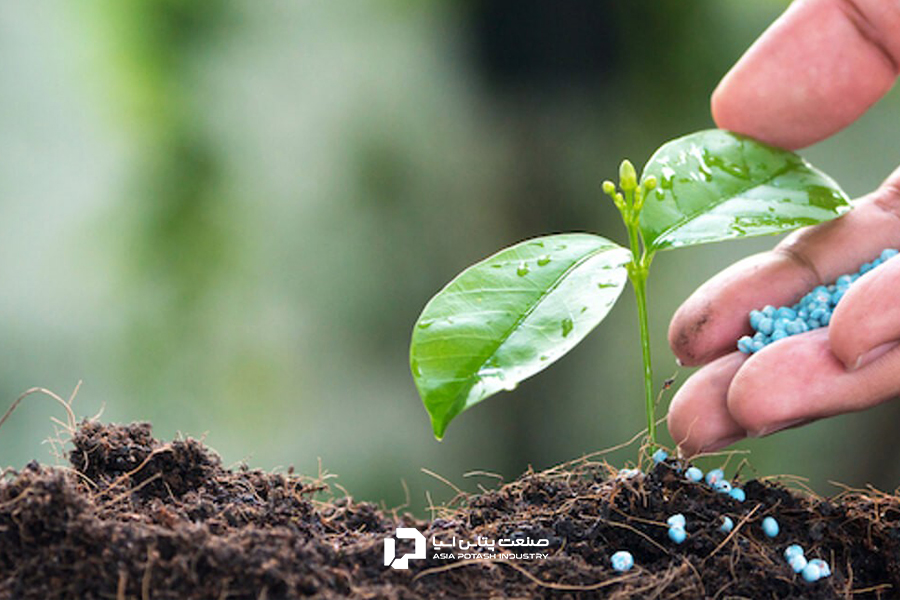
Each type of fertilizer from Asia Potash Industry—including organic, chemical, and biological fertilizers—has its own characteristics. Organic fertilizers play an important role in sustainable agriculture by improving soil structure and enhancing nutrient stability.
Chemical fertilizers are effective for quickly supplying nutrients, but improper use may harm the environment.
Safe Agricultural Fertilizers Ensure Healthy and High-Quality Crops
Biological fertilizers use beneficial microorganisms to improve soil quality and reduce the need for chemical fertilizers.
When choosing among different types of agricultural fertilizers, factors such as crop type, soil condition, and agricultural goals (yield increase or soil restoration) must be considered.
Asia Potash Industry is known as one of the largest producers of Potassium Sulfate in Iran. To obtain a sales agency for our chemical fertilizers, you can contact Asia Potash Industry experts or visit the Sales Agency Application page.
Comments (0)
Be the first to comment!