
Wheat fertilization is one of the most critical stages in achieving high-quality crop growth and production. Selecting the right fertilizer and precise timing can have a direct impact on wheat performance and yield. In this article, we introduce the wheat fertilization table and provide key points about the fertilization program. By understanding the required types and amounts of fertilizers, as well as their correct timing, you can achieve maximum yield.
Importance of fertilization in wheat cultivation
Fertilization plays a vital role in supplying essential nutrients required by wheat. The three main elements—nitrogen (N), phosphorus (P), and potassium (K)—have the greatest impact on wheat growth and grain production. In addition, micronutrients such as zinc and magnesium are also essential for improving crop quality. A proper fertilization program helps farmers achieve maximum efficiency through a balanced combination of these nutrients.
Wheat fertilization table
-
At this stage, the goal is to prepare the soil for better seed growth. The use of three fertilizers: Potassium Sulfate fertilizer, nitrogen,
and phosphorus helps create a suitable seedbed for wheat growth.
| Fertilizer type | Recommended amount | Description |
| Nitrogen fertilizer (Urea) | 50 kg per hectare | For increasing leaves and stems |
| Phosphorus fertilizer (DAP) | 40 kg per hectare | For improving root growth |
| Potassium Sulfate fertilizer | 100–150 kg per hectare | For strengthening plant structure |
-
Tillering stage (early plant growth)
At this stage, the plant begins its initial growth, and the use of nitrogen and potassium helps accelerate growth and strengthen roots.
| Fertilizer type | Recommended amount | Description |
| Nitrogen fertilizer (Urea) | 60 kg per hectare | For improving leaf growth |
| Potassium Sulfate fertilizer | 50–70 kg per hectare | For root and stem development |
-
Grain filling stage
At this stage, the plant enters the grain production phase, and proper nutrition helps improve grain quality and quantity.
| Fertilizer type | Recommended amount | Description |
| Nitrogen fertilizer (Urea) | 70 kg per hectare | For increasing grain number and quality |
| Micronutrient fertilizer (Zinc) | 10 kg per hectare | For improving grain health |
| Potassium Sulfate fertilizer | 30–50 kg per hectare | For nutrient transport and improving grain quality |
Key points in wheat fertilization program
-
Proper timing of fertilizer application: For best results, timing is crucial. Each growth stage requires a specific amount of nutrients.
-
Soil type: Soil type affects fertilizer absorption and efficiency. Soil testing is recommended before starting the fertilization program.
-
Weather conditions: Climate conditions, especially rainfall and temperature, can significantly affect fertilizer performance.
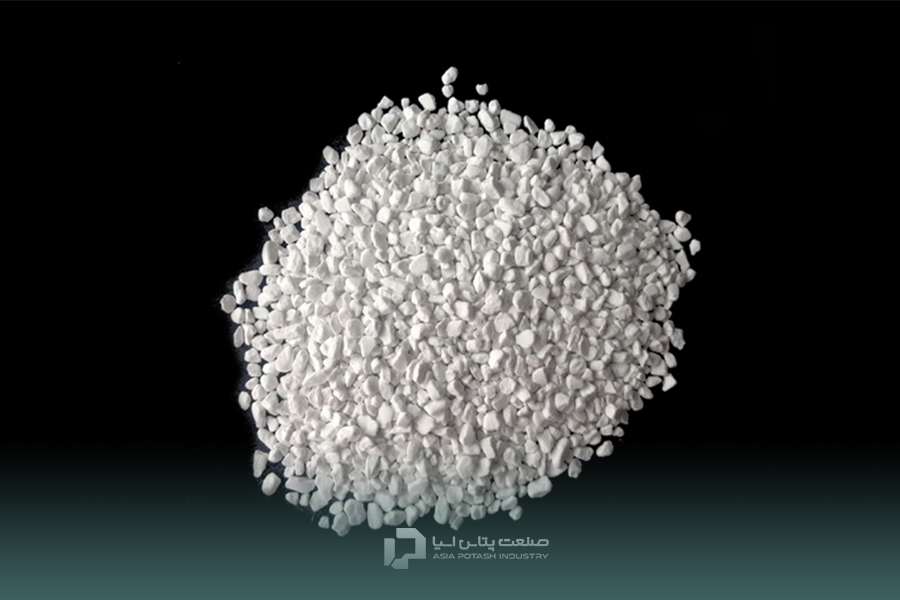
Asia Potash Industry: a smart choice for high-quality fertilizers
For producing high-quality wheat with high yield, selecting the right fertilizer is essential. Asia Potash Industry produces high-potassium fertilizers and other chemical fertilizers that help meet soil and crop nutritional needs effectively. Asia Potash Industry products are known for their high quality and adaptability to different soil conditions, making them a reliable choice for professional farmers aiming to increase yield and improve wheat quality.
Final words
With a proper and precise fertilization program, you can significantly increase both yield and quality of your wheat crop. The correct use of nitrogen, phosphorus, and potassium fertilizers at the right time plays a key role in improving productivity. By following the fertilization table and recommendations above, you can fully utilize your crop’s potential.
Comments (0)
Be the first to comment!