Proper plant nutrition plays a very important role in increasing productivity and the quality of agricultural Products. Wheat, as one of the essential and widely consumed Products worldwide, requires precise nutrient management to achieve optimal performance.
One of the key factors in this regard is the use of appropriate and effective fertilizers. In this article, we examine the role of potassium, the effect of high potash fertilizer on wheat, application methods including pit fertilization (Chalkud method), and the importance of using this fertilizer in agriculture.
High Potash Fertilizer: A Technical Overview
Potassium is one of the three main essential elements required by plants and plays a vital role in their biological processes. Purchasing Potassium Sulfate from reputable manufacturers is highly important. Some of the most important functions of potassium in plants include:
-
Regulation of enzyme activity: Potassium acts as an enzyme activator in many biochemical reactions in plants and plays an important role in plant metabolism.
-
Increasing plant resistance to environmental stresses: Potassium helps plants become more resistant to environmental stresses such as drought, salinity, and diseases, thereby improving their performance.
-
Regulation of water balance in plants: Potassium regulates water balance in plants and, by controlling the opening and closing of leaf stomata, helps plants use water more efficiently.
The Effect of High Potash Fertilizer on Wheat
The use of high potash fertilizer in wheat fields has positive effects in several aspects:
-
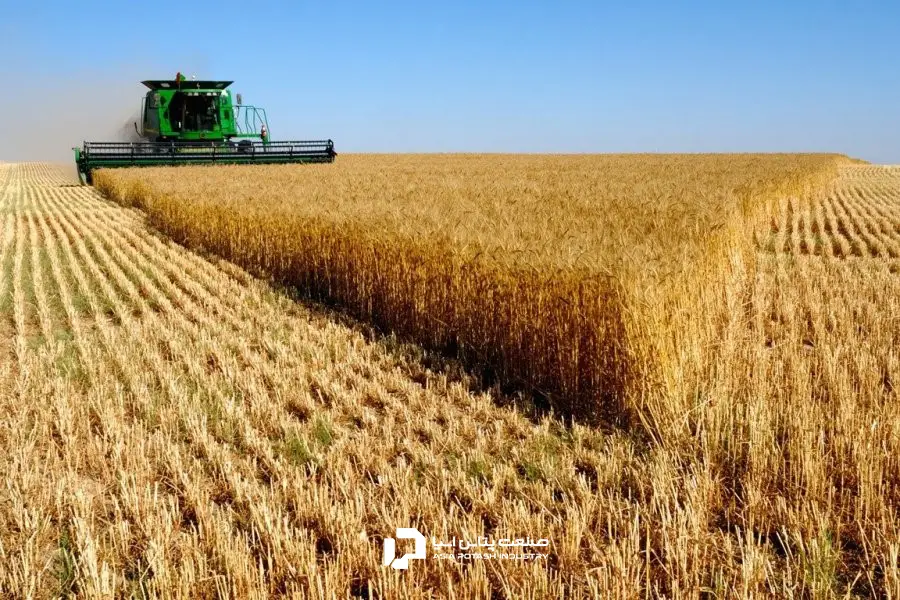
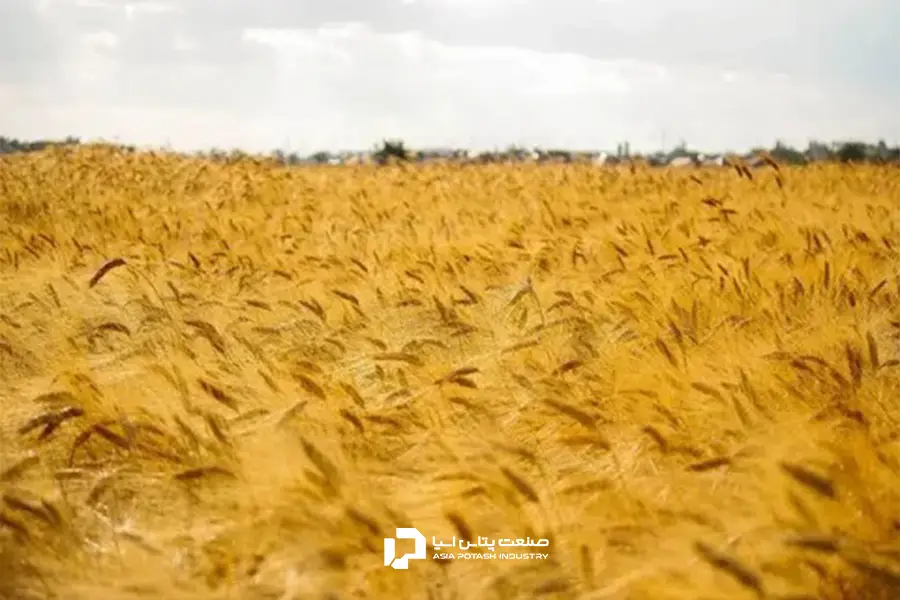
Increased yield and production tonnage: Potassium improves the transport of nutrients and water within the plant, ultimately enhancing photosynthesis and plant growth. In wheat, this results in a higher number of grains and increased grain weight, leading to greater overall yield.
-
Improved product quality: Potassium also contributes to improving wheat grain quality. With adequate potassium intake, higher-quality grains are produced that have greater nutritional value and better marketability.
-
Improved root development and plant growth: One of the first effects of high potash fertilizer is strengthening the plant’s root system. Stronger roots allow better access to water and nutrients, which ultimately leads to faster growth and higher performance.
-
Increased wheat resistance to environmental stress: High potash fertilizer increases wheat resistance to unfavorable environmental conditions such as drought, high temperatures, and various diseases. This helps farmers harvest more resilient and higher-quality products.
-
Effect on protein, moisture, and grain weight: Potassium directly influences grain formation processes. It helps improve protein composition, increases grain weight, and maintains appropriate moisture levels in grains.
-
Role of high potash fertilizer in increasing gluten percentage and nutrients: Gluten is one of the most important factors in wheat quality and directly affects its nutritional value. High potash fertilizer can improve gluten content and enhance the final product quality.
Optimized Use of High Potash Fertilizer in Wheat Fields
Below you can learn about the best methods of using high potash fertilizer.
Timing and Proper Application
The best time to use high potash fertilizer is during the early stages of plant growth. Mixing the fertilizer with soil during planting or applying it as a top-dressing fertilizer can yield better results.
Recommended Dosage for Maximum Efficiency
The amount of fertilizer depends on soil type and climatic conditions, but generally it is recommended to use 60 to 120 kg of high potash fertilizer per hectare of wheat field.
Methods of Applying High Potash Fertilizer
To use high potash fertilizer effectively, farmers can apply several methods:
-
Base application: Potassium can be used as a base fertilizer during land preparation and before wheat planting.
-
Fertilization during the growing season: Applying potassium at specific stages during the growing season is also beneficial. It strengthens the plant during critical growth periods such as flowering and grain formation.
-
Fertigation (drip irrigation with fertilizer): Another effective method is adding potassium to drip irrigation systems, which allows faster and more efficient absorption by plants.
-
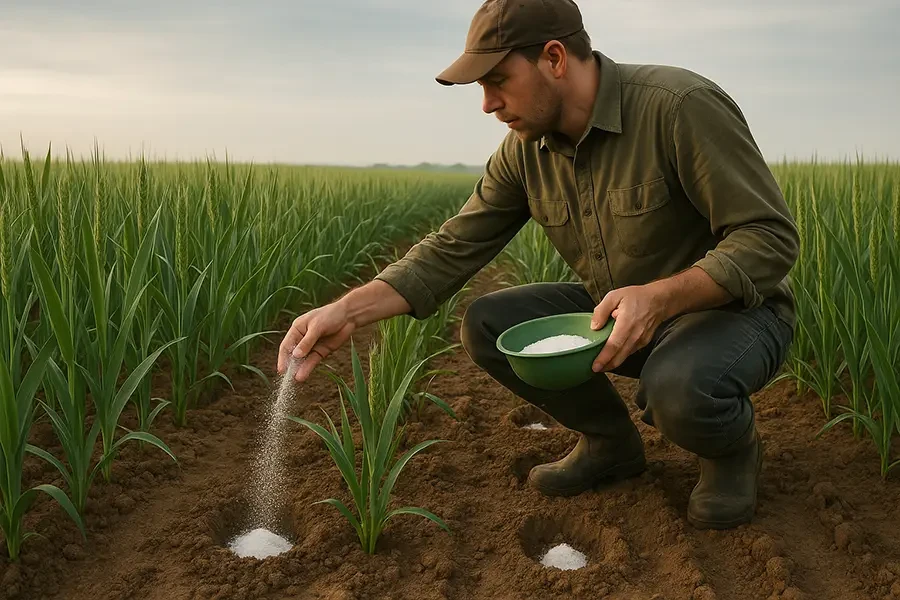
Pit fertilization method (Chalkud method): In this method, holes 20 to 30 cm deep are dug around the plant, and potassium fertilizer along with organic materials is placed inside them. This allows nutrients to be gradually and directly delivered to the plant roots, improving absorption efficiency and reducing fertilizer loss.
Why Asia Potash Industry? A Smart Choice for Sustainable and High-Yield Agriculture
There are many reasons to use fertilizers from Asia Potash Industry, some of which are mentioned below:
High Quality and Remarkable Performance of Asia Potash Industry Products
Asia Potash Industry Products have gained the trust of many farmers due to their high quality and specialized formulation. These fertilizers reduce production costs and increase yield, making them an ideal choice for sustainable agriculture.
Specialized Support and After-Sales Service for Farmers
Asia Potash Industry provides consulting and technical support services to help farmers achieve the best results from their Products and use fertilizers more efficiently.
Conclusion
High potash fertilizer is one of the most important factors affecting wheat growth and yield increase. Considering the physiological needs of the plant and the vital role of potassium in improving stress resistance and enhancing crop performance, the optimal use of high potash fertilizer can lead to the production of higher-quality and higher-yield Products.
Smart farmers, by considering soil conditions and plant needs, can benefit from this fertilizer and improve the productivity of their fields. For a productive season, high potash fertilizer from Asia Potash Industry is the best choice.
Comments (0)
Be the first to comment!