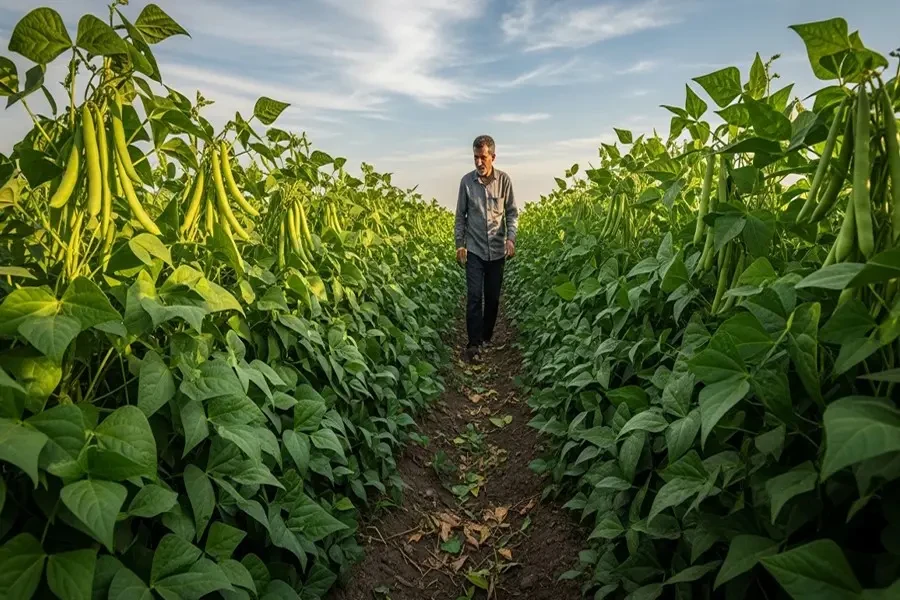
Bean is one of the most widely consumed and popular vegetables in Iranian and global cuisine. Although at first glance this plant appears to be a simple product, achieving an optimal harvest and high-quality pods requires precise nutritional management.
In this article from Asia Potash Industry Agricultural Magazine, which has been compiled based on scientific sources and farmers’ experiences, we comprehensively review the nutritional requirements of green beans, effective types of fertilizers, a recommended fertilization program, and practical tips. We also show you how proper fertilization management can multiply farm performance.
Importance of Fertilization in Green Bean Cultivation
Proper fertilization plays a decisive role in green bean yield. This crop is relatively sensitive in terms of nutritional needs, and any deficiency or imbalance in nutrient supply can directly affect growth, flowering, and pod formation. If fertilization is carried out properly and based on the plant’s actual needs, not only yield quantity but also pod quality will improve; pods will be greener, juicier, and more flavorful, and will gain higher market value.
Proper fertilization also increases root absorption capacity, improves plant resistance to environmental stresses such as drought or temperature fluctuations, and reduces the likelihood of fungal and bacterial diseases.
Role of Nutrients in Green Bean Growth
Every plant requires a set of macro- and micro-elements to survive, and green beans are no exception. Nitrogen is one of the most important elements that ensures vegetative growth and greenness of the plant; its deficiency leads to yellowing and general weakness.
Phosphorus plays a key role in root Development and the initiation of flowering. Potassium is known as a key element in regulating metabolic processes, sugar transport, and improving pod quality.
In addition to these three main elements, micronutrients such as iron, zinc, manganese, and boron are essential for balanced growth and preventing deficiency disorders.
Iron deficiency causes interveinal chlorosis, zinc deficiency leads to stunted growth and reduced yield, and boron deficiency causes flower drop. Therefore, a scientific and targeted fertilization program must cover all these needs in a coordinated way so the plant can perform optimally at all growth stages.
Nutritional Requirements of Green Beans at Different Growth Stages
Green beans have different nutritional needs throughout their growth cycle. Although the plant depends on main elements such as nitrogen, phosphorus, and potassium in all stages, the amount and type of consumption of these elements changes in each stage.
Germination and Early Growth Stage
In this stage, the main focus is on strengthening the seed and newly emerging roots. Phosphorus is of greatest importance because it supports root Development and helps the plant establish faster.
A small amount of nitrogen is also required to initiate vegetative growth. If the soil is poor, using phosphorus fertilizers such as superphosphate can accelerate early growth.
Vegetative Growth and Leaf Formation Stage
When the plant emerges from the soil and enters the vegetative phase, its nitrogen requirement increases. Nitrogen at this stage enhances chlorophyll development, formation of broad leaves, and photosynthesis. If nitrogen is insufficient, leaves remain pale and small, and the plant will not be able to properly enter the flowering stage.
Potassium is also important in this period for strengthening cell walls and increasing plant resistance. A proper combination of these elements allows the plant to develop a stronger structure for entering the reproductive stage.
Flowering and Pod Formation Stage
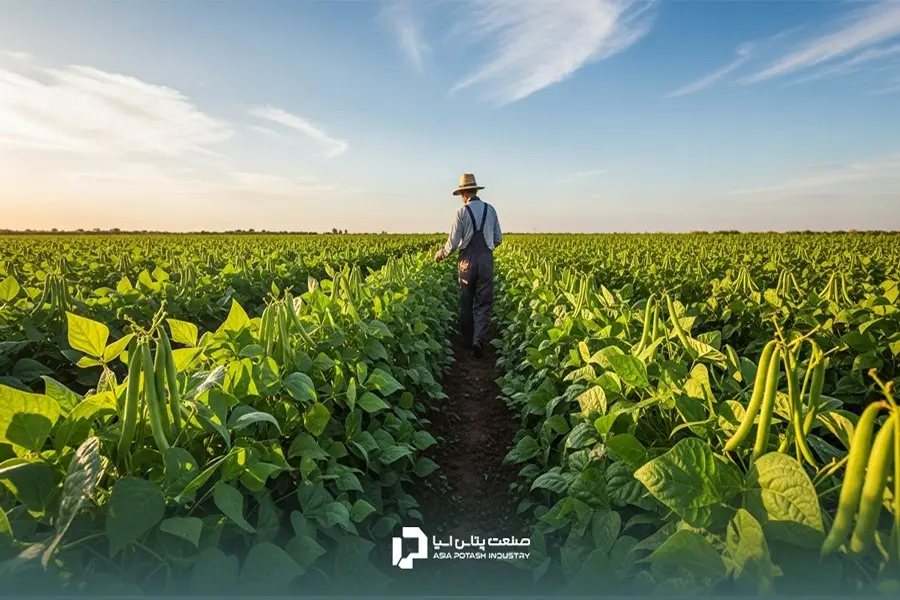
This is the most sensitive stage of green bean growth because it determines final yield and product quality. During this period, the plant requires more phosphorus and potassium. Phosphorus increases flower formation and reduces flower drop, while potassium helps in sugar transport and pod filling.
In addition, boron and calcium are vital micronutrients in this stage, preventing flower drop and hollow pods. Balanced fertilizer use at this time directly affects both quantity and quality of the yield.
Maturation and Harvest Stage
In the final growth period, the focus is on improving pod quality and maintaining their greenness. Potassium plays the main role here, as it improves taste and texture and increases post-harvest shelf life.
Excess nitrogen is not recommended at this stage, as it can lead to excessive vegetative growth and reduced pod quality. Micronutrient supply is also important to ensure pods have a uniform appearance, desirable color, and marketability.
Best Fertilizers for Green Beans
Choosing the best fertilizer for green beans depends on soil conditions, plant growth stage, and the farmer’s goal. Each fertilizer affects growth differently, and if selected according to plant needs, it can significantly increase farm productivity. It is recommended to perform a leaf analysis before fertilization to better understand plant needs.
Nitrogen Fertilizers and Their Effect on Vegetative Growth
As mentioned, nitrogen is the most important element during the vegetative stage of green beans. It increases greenness, leaf expansion, and photosynthetic capacity. Adequate nitrogen application allows the plant to develop stronger leaves and stems and gain the strength needed to enter the reproductive stage.
Nitrogen fertilizers are used to supply this element, but the amount must be determined precisely based on soil testing.
Phosphorus Fertilizers and Their Role in Flowering
Phosphorus is especially important during early planting and flowering stages. Adequate phosphorus promotes strong root development and early flowering. If the soil is phosphorus-deficient, the plant will experience slow growth, small leaves, and reduced pod production.
Phosphorus fertilizers such as triple superphosphate or diammonium phosphate are the main sources of this element. Applying these fertilizers before planting or in early growth stages helps establish a stronger plant base and increase yield during flowering.
Potassium Fertilizer and Its Effect on Quality and Yield Increase
Potassium is the element that plays the greatest role in improving the quality of green bean pods. It helps transport sugars, regulate metabolism, and strengthen cell walls. Adequate potassium supply results in juicier, larger, and greener pods with higher market demand.
Potassium increases plant resistance to drought, salinity, and fungal diseases. The use of potassium fertilizers such as Potassium Sulfate or Potassium Chloride is recommended depending on soil type. Asia Potash Industry is one of the reputable suppliers of potassium fertilizers offering high-quality Products to farmers.
Micronutrient Fertilizers (Iron, Zinc, Manganese, Boron, etc.)
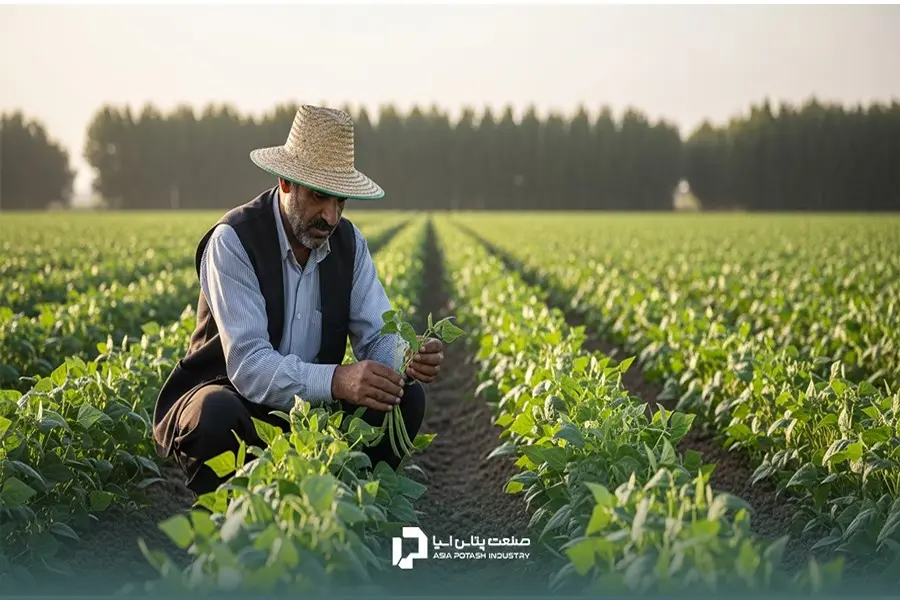
Although macronutrients form the basis of green bean nutrition, micronutrients also play a vital role. Iron prevents leaf yellowing and weak photosynthesis, zinc is important for cell division and yield, manganese contributes to chlorophyll formation, and boron helps prevent flower drop. A deficiency in any of these elements can severely reduce farm performance.
Foliar spraying or the use of chelated fertilizers is the best method for supplying these micronutrients.
Fertilizer for Green Bean Flowering
The flowering stage is one of the most sensitive phases of green bean growth. During this period, the plant’s demand for phosphorus and potassium is higher than any other element. Using balanced formulations containing both elements, such as diammonium phosphate or complete NPK fertilizers, helps prevent flower drop and ensures proper pod formation.
Boron is also extremely important at this stage because it stabilizes flowers on the plant.
Poultry Manure for Green Beans
Poultry manure is an organic fertilizer rich in nitrogen, phosphorus, and potassium that significantly improves soil fertility. Using decomposed poultry manure before planting green beans increases soil organic matter and enhances microbial activity. This fertilizer not only supplies nutrients but also improves soil structure, allowing better water and air penetration. However, raw manure can burn roots, so it must be fully composted or processed before use.
Iron Fertilizer for Green Beans
Iron deficiency in green beans typically appears as interveinal chlorosis. This problem is more common in calcareous and alkaline soils. Therefore, it is best to measure soil pH using soil pH measurement and soil pH adjustment. To correct it, chelated iron fertilizers or foliar sprays can be used. Timely iron application improves photosynthesis, enhances leaf greenness, and increases pod quality.
Professional farmers usually use iron fertilizers along with other micronutrients as part of a regular nutritional program.
Animal Manure for Green Beans
Animal manures such as cow or sheep manure have long been used as a primary source of organic matter in soil. These fertilizers not only provide some nutrients but also improve soil texture and increase water retention capacity.
In green bean cultivation, using well-decomposed animal manure before planting can create better conditions for seed germination and root growth. However, excessive use of fresh manure can increase weeds or introduce disease seeds, so it must be fully decomposed and used in appropriate amounts.
20-20-20 Fertilizer for Green Beans
20-20-20 fertilizer (NPK 20-20-20) is one of the most balanced complete fertilizers, containing equal proportions of nitrogen, phosphorus, and potassium. It can be used at all growth stages of green beans, especially during flowering and pod formation.
Its use promotes balanced plant growth, proper greenness, increased flowering, and improved pod quality. Foliar spraying of this fertilizer can quickly meet the plant’s nutritional needs during critical periods.
Fertilizer for Rapid Growth of Green Beans
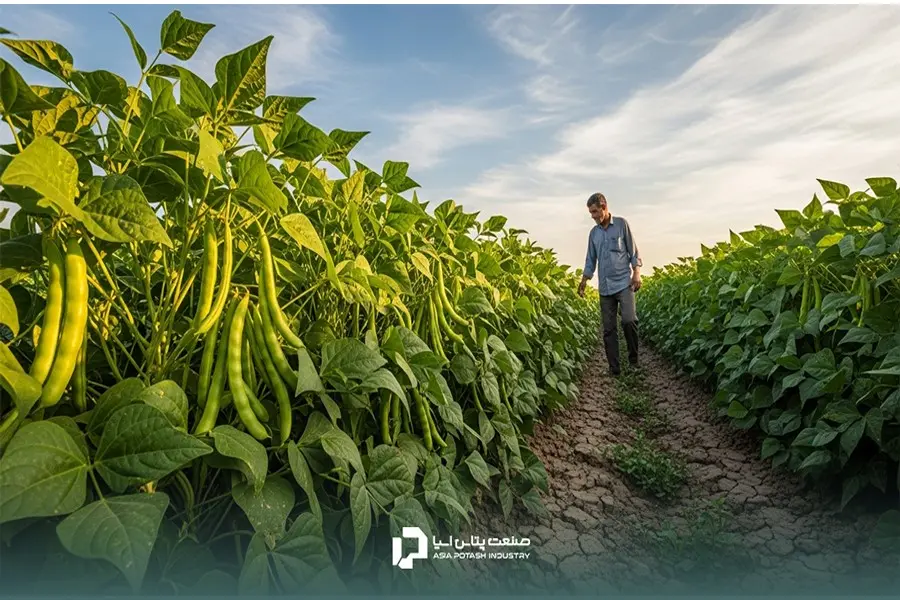
If the goal is faster and stronger early growth, a combination of nitrogen and phosphorus yields the best results. Nitrogen accelerates vegetative growth, while phosphorus promotes rapid root Development. Foliar application of 20-20-20 or high-phosphorus fertilizers (such as diammonium phosphate) combined with a balanced amount of nitrogen is a suitable choice. However, rapid growth must be controlled to avoid delaying flowering.
Fertilizer for Larger Green Beans
One of the farmers’ concerns is producing large and marketable pods. Potassium plays the most important role here. Potassium fertilizer improves the transport of photosynthates and pod filling, resulting in larger and higher-quality produce. Using Potassium Sulfate or highly soluble potassium fertilizers for foliar spraying at this stage can significantly improve pod size and final quality. For best results, combining potassium with micronutrients such as boron and calcium is recommended.
Green Bean Fertilization Methods
Fertilization of green beans is not limited to selecting fertilizer type; timing and application method are equally important. Even the best fertilizers cannot produce good results if applied incorrectly. Fertilization methods include pre-planting application, application during growth stages, and foliar spraying.
Each of these methods has its own advantages and plays a specific role in improving crop performance and should be selected based on soil conditions and plant needs.
Base Fertilization Before Planting
Base fertilization is usually done before land preparation and sowing. The main goal is to provide initial nutrients for germination and establishment. Phosphorus and potassium fertilizers are best at this stage because young roots require these elements the most.
The use of decomposed animal or poultry manure is also recommended at this stage to increase soil organic matter and improve soil structure for better root development.
Top-Dressing During Growth
After germination, nutritional needs gradually change and must be met through top-dressing. At this stage, fertilizers are usually applied in bands near the plants or through irrigation.
Nitrogen is the key element here as it supports vegetative growth and leaf development. A balanced amount of potassium can also be added to improve plant resistance to environmental stress.
Foliar Spraying and Its Benefits
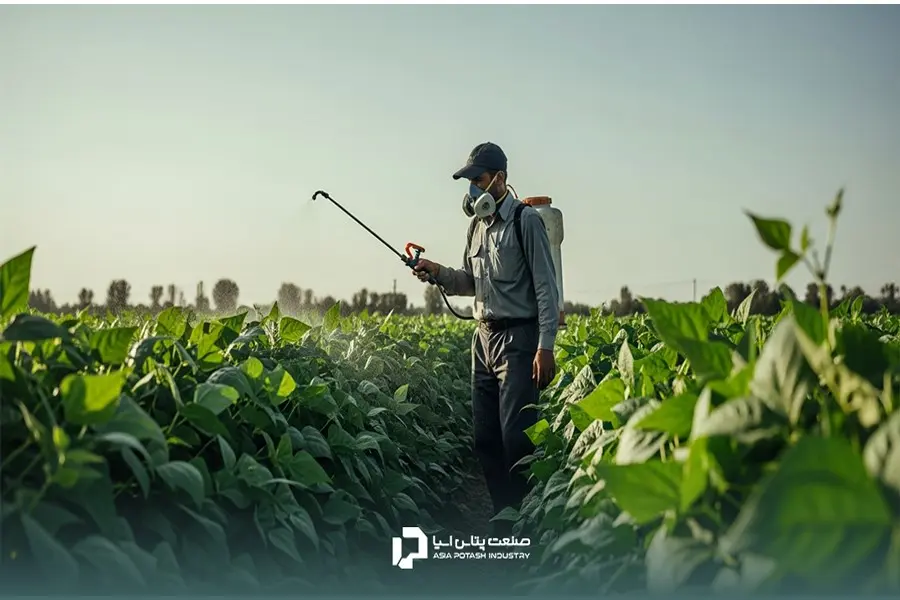
Foliar spraying is a fast and effective method to correct nutrient deficiencies during green bean growth. In this method, soluble fertilizers are sprayed onto leaves and absorbed directly through stomata. This approach is especially effective for micronutrients such as iron, zinc, manganese, and boron because their uptake from soil is limited in alkaline or saline conditions.
Foliar spraying should be done at appropriate times, usually in the cooler hours of morning or evening, to maximize effectiveness and avoid leaf damage.
Recommended Fertilization Program for Green Beans
Having a structured and scientific fertilization program for green beans is key to achieving high yield and quality produce. This program should be based on soil testing, regional climate conditions, and seed type, but generally the following model can be used as a guideline for farmers.
Rates and Timing of Macronutrient Application
Primary fertilizers such as nitrogen, phosphorus, and potassium must be applied at specific times and in precise amounts. Over- or under-application can both reduce yield.
For example, excessive nitrogen leads to unbalanced vegetative growth and reduced pod formation, while insufficient potassium results in small pods with lower quality.
Green Bean Fertilization Table
This table shows how proper distribution of fertilizers over time can meet plant nutritional needs while avoiding waste and unnecessary costs.
|
Growth Stage |
Fertilizer Type |
Recommended Amount |
Application Method |
Description |
|
Before planting (base fertilizer) |
Decomposed animal manure |
20–25 tons per hectare |
Mixed with soil during plowing |
Improves soil structure and increases organic matter |
|
Before planting |
Triple Superphosphate |
100–120 kg per hectare |
Mixed with soil |
Provides phosphorus for root growth and plant establishment |
|
Before planting |
Potassium Sulfate |
80–100 kg per hectare |
Mixed with soil |
Provides potassium for resistance and pod quality |
|
Vegetative growth |
Urea or Ammonium Sulfate |
60–80 kg per hectare (in 2 stages) |
Top-dressing with irrigation |
Enhances vegetative growth and leaf greenness |
|
Early flowering |
20-20-20 fertilizer |
10–15 kg per hectare |
Foliar spraying |
Provides balanced NPK to reduce flower drop |
|
Pod formation |
Potassium Sulfate + Borax |
50–70 kg potassium + 2–3 kg boron per hectare |
With irrigation or foliar spray |
Improves pod quality and size |
|
Throughout growth period |
Chelated iron and zinc |
1–2 kg per hectare |
Foliar spraying |
Corrects micronutrient deficiencies and maintains greenness |
|
Before harvest |
Potassium Sulfate |
20–30 kg per hectare |
Foliar spray |
Increases shelf life and market quality |
Common Fertilization Mistakes in Green Beans
Although fertilization is the foundation of high-yield and high-quality production, if excess fertilization of plants is performed, the result is the opposite.
Excessive Nitrogen Use
Nitrogen is essential for vegetative growth, but excessive use is one of the most common mistakes in green bean cultivation. When too much nitrogen is applied, plants grow rapidly with large and dense leaves, but this excessive vegetative growth prevents flowering and pod formation.
The final result is a crop that looks green and abundant but has low yield. In addition, excess nitrogen increases the risk of fungal diseases and reduces plant resistance to environmental stress.
Potassium Imbalance (Deficiency or Excess)
Potassium is a key element for improving pod quality, and its deficiency leads to flower drop, small pods, and reduced shelf life. On the other hand, excessive potassium can also disrupt the absorption of other elements such as magnesium and calcium.
In such conditions, the plant suffers from leaf yellowing, general weakness, and reduced yield. Therefore, maintaining potassium balance is crucial. The best approach is to use potassium fertilizers based on actual soil needs and in combination with other nutrients.
Ignoring the Role of Micronutrients
Many farmers focus only on macronutrients and overlook the importance of micronutrients. However, deficiencies in elements such as iron, zinc, manganese, and boron can directly affect yield and final product quality.
This mistake often occurs when foliar spraying or the use of chelated fertilizers is neglected in the fertilization program.
Practical Tips to Improve Fertilization Efficiency
Although choosing the right fertilizer is important, how it is used and farm management conditions are equally effective in improving yield.
Water Management Alongside Fertilization
Proper irrigation is one of the key factors in successful fertilization. If the soil is too dry, roots cannot absorb nutrients; if it is too wet, elements—especially nitrogen—are leached and lost.
The best method is regular irrigation combined with water-soluble fertilizer, known as fertigation. This allows nutrients to be gradually available to roots and significantly increases efficiency. In green bean cultivation, irrigation timing must maintain balanced soil moisture to ensure both proper plant growth and full nutrient uptake.
Soil Status Assessment Before Planting
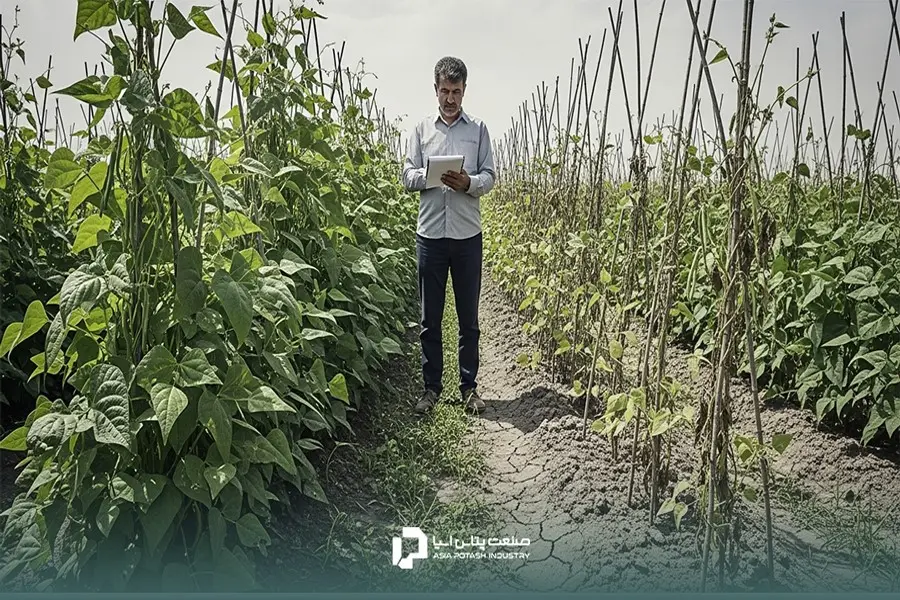
One of the most important steps often ignored by farmers is soil testing before planting. Soil analysis shows which nutrients are sufficient and which are deficient.
Without this step, the risk of over- or under-fertilization increases significantly. For example, some soils already contain enough phosphorus, and adding more only increases costs. Conversely, soils with severe potassium or micronutrient deficiencies will not perform well without proper fertilization. Therefore, soil testing should always be conducted before any fertilization plan.
Asia Potash Industry; a Leader in High-Quality Potassium Fertilizers
In modern agriculture, selecting high-quality and reliable fertilizers is crucial. One company that has achieved a prominent position in this field is Asia Potash Industry. Using modern technology and a specialized team, this company has been providing standardized potassium fertilizers to farmers for years.
The potassium fertilizers offered by Asia Potash Industry are designed to improve product quality and increase yield.
Another advantage of this company’s Products is their variety of formulations and adaptability to different soil and water conditions. Whether in base fertilization, top-dressing, or foliar application, Asia Potash Industry Products are highly compatible with farmers’ needs. This flexibility has made the company one of the most trusted suppliers of potassium and high-potash fertilizers in the country.
Conclusion
Fertilization in green bean cultivation is not a simple act of adding nutrients to the soil, but a scientific and targeted process based on understanding the plant’s needs at different growth stages. From germination to final maturity, green beans require macronutrients such as nitrogen, phosphorus, and potassium, as well as micronutrients like iron, zinc, manganese, and boron.
Proper fertilizer selection, correct timing, and appropriate application methods all together ensure crop quality and agricultural profitability.
FAQ
The best timing depends on the type of nutrient. Base fertilizers are recommended before planting and mixed with soil, top-dressing during vegetative growth, and foliar spraying when micronutrient deficiencies occur. Proper timing increases absorption and efficiency.
Yes, using both organic fertilizers such as poultry or cow manure and chemical fertilizers is a good strategy. Organic fertilizers improve soil structure and organic matter, while chemical fertilizers provide immediate nutrient supply.
Excess nitrogen causes excessive vegetative growth, leading to lush green leaves but reduced flowering and pod formation. The final result is lower yield and quality.
Potassium fertilizers such as Potassium Sulfate and 20-20-20 fertilizer have the greatest effect on pod filling, size, and quality. Proper timing and balanced use of potassium along with micronutrients such as boron and calcium produce the best results.
Comments (0)
Be the first to comment!