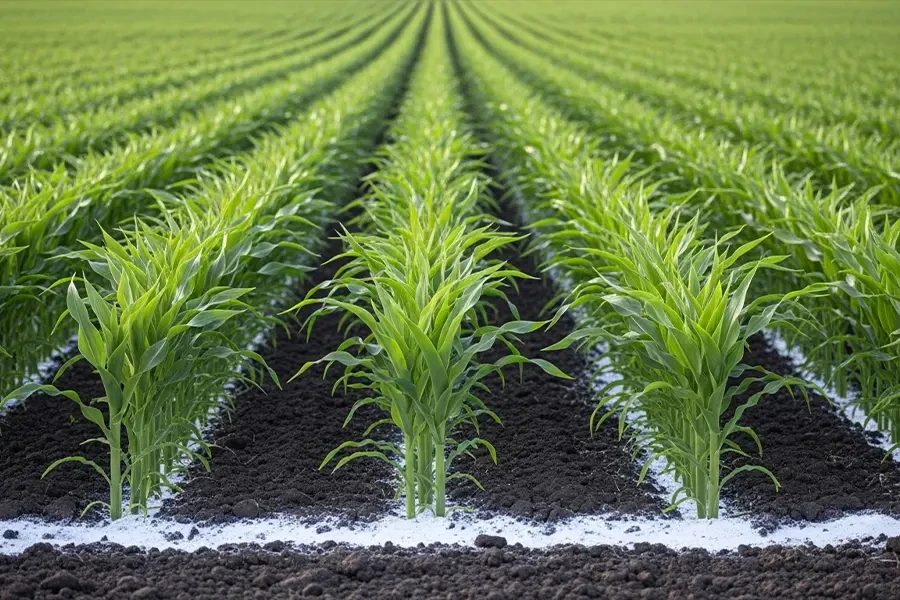
Potassium fertilizer for corn is considered one of the essential fertilizers, as it plays an important role in the growth, health, and yield increase of this crop. Potassium strengthens the root system, improves water uptake, and increases resistance to stress conditions, helping corn produce a more abundant and higher-quality yield.
In this article, we will discuss the benefits, deficiency symptoms, and the best timing and methods for using potassium fertilizer in corn cultivation.
Why is potassium fertilizer important for corn?
Potassium is an essential nutrient for the healthy and optimal growth of corn. This element plays a vital role in several biological processes of the plant that directly affect its health, resistance, and productivity.
The use of high-potassium fertilizers containing a significant percentage of potassium can resolve many growth limitations in corn. Especially under stress conditions such as extreme heat, water scarcity, pest attacks, and drought, potassium strengthens the corn plant’s immune system and increases its resistance.
This factor allows the plant to better withstand unfavorable conditions and produce higher-quality yield.
-
Read More: What is Potassium Sulfate?
Benefits of using high-potassium fertilizer in corn fields
-
Increased corn yield
-
Prevention of wilting by maintaining moisture and regulating leaf stomata
-
Increase in kernel size and weight by stimulating cell division
-
Improved field performance through a higher harvest index
-
Strengthening plant resistance against pests and diseases
-
Increase in sugar, starch, aroma, taste, and protein content of corn kernels
Symptoms of potassium deficiency in corn
Potassium deficiency symptoms in corn are usually visible on leaves and plant growth. If not detected early, they can significantly reduce yield. The main symptoms include:
-
Burning and yellowing of older leaf margins
-
Slow growth and weak stems
-
Reduced resistance to drought and diseases
-
Small and lightweight corn kernels
-
Yellowing between veins of lower leaves
Timing and methods of using potassium sulfate fertilizer for corn
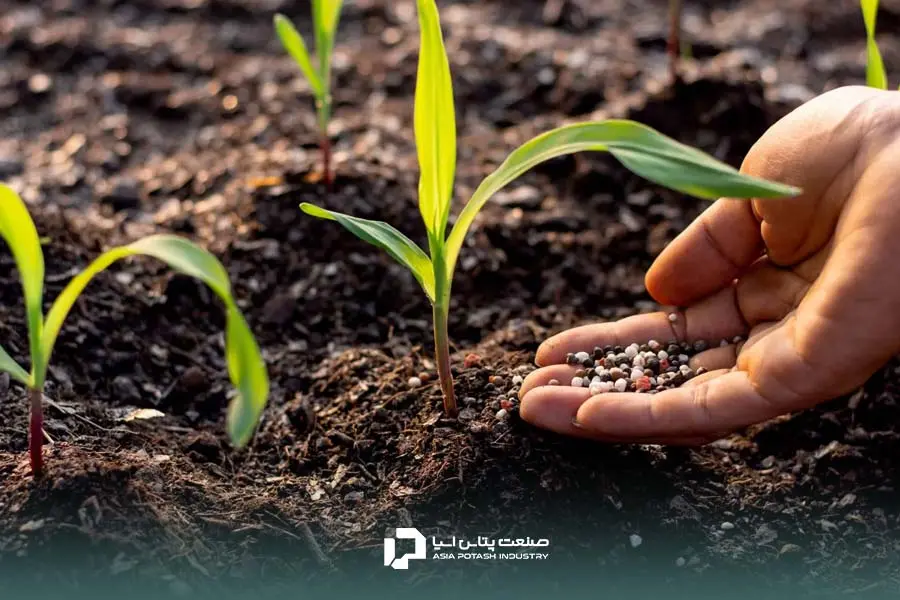
To achieve the best results, timing and application methods are very important. Potassium fertilizer is usually applied in the following stages:
1. Land preparation (before planting):
Application rate: 50 to 100 kg per hectare
Application method: Evenly broadcast Potassium Sulfate during plowing or soil preparation and mix it with the soil.
2. At planting time:
Application rate: 30 to 50 kg per hectare
Application method: Band placement with seeds, keeping a distance of 5 to 7 cm from the seed to avoid damage.
3. Vegetative growth stage (4 to 6 weeks after planting):
Application rate: 50 to 100 kg per hectare
Application method: Top dressing by spreading Potassium Sulfate on the soil surface followed by irrigation for better absorption.
4. Flowering stage (8 to 10 weeks after planting):
Application rate: about 50 kg per hectare (if needed)
Application method: Top dressing or fertigation; in case of severe deficiency, foliar spraying can be used for rapid absorption and quick symptom relief.
Additional note: The exact potassium requirement should be determined based on soil test results and specific field conditions. Factors such as soil texture, available potassium levels, and climatic conditions influence the plant’s nutrient needs. Soil testing is the most reliable method for determining optimal fertilizer dosage.
Read More: Introduction to types of agricultural fertilizers
Combining potassium fertilizer with other fertilizers
Potassium Sulfate can be easily combined with nitrogen and phosphorus fertilizers. Their simultaneous use improves growth and increases corn productivity.
Which high-potassium fertilizer is best for corn?
One of the best options for supplying potassium in corn fields is Potassium Sulfate (K₂SO₄), which is highly suitable due to its high potassium content (over 50%) and very low chloride content (below 1.5%). Asia Potash Industry, the largest Potassium Sulfate producer in Iran, offers this high-quality product with guaranteed purity and performance.
The Potassium Sulfate produced by this company not only supplies the plant’s potassium needs but also increases crop productivity and final corn quality. It is also used as a raw material in the production of NPK compound fertilizers.
Conclusion
Proper and timely use of high-potassium fertilizer, especially Potassium Sulfate, is considered an effective investment for improving both the quality and quantity of corn yield. Following recommended guidelines for application timing and dosage significantly increases farm productivity and helps farmers achieve healthier, more resilient, and more economical harvests.
Comments (0)
Be the first to comment!